
Bikini baristas from Hillbilly Hotties are suing Everett, WA, arguing the city’s dress code violates their First Amendment rights.
Everett, WA, enacted a dress code banning skimpy clothing at quick-service venues, targeting bikini baristas like those at ‘Hillbilly Hotties.’ The city claims the rules prevent sexual conduct and crime, but the coffee stands argue the law violates their rights. Now, the dispute has escalated into a legal battle over free expression and public decency.

The baristas sued, claiming the dress code violated their First Amendment rights by restricting their freedom of expression. They argued the law unfairly targeted women in the workplace, calling it discriminatory. The case now challenges whether clothing choices at work qualify as protected speech.
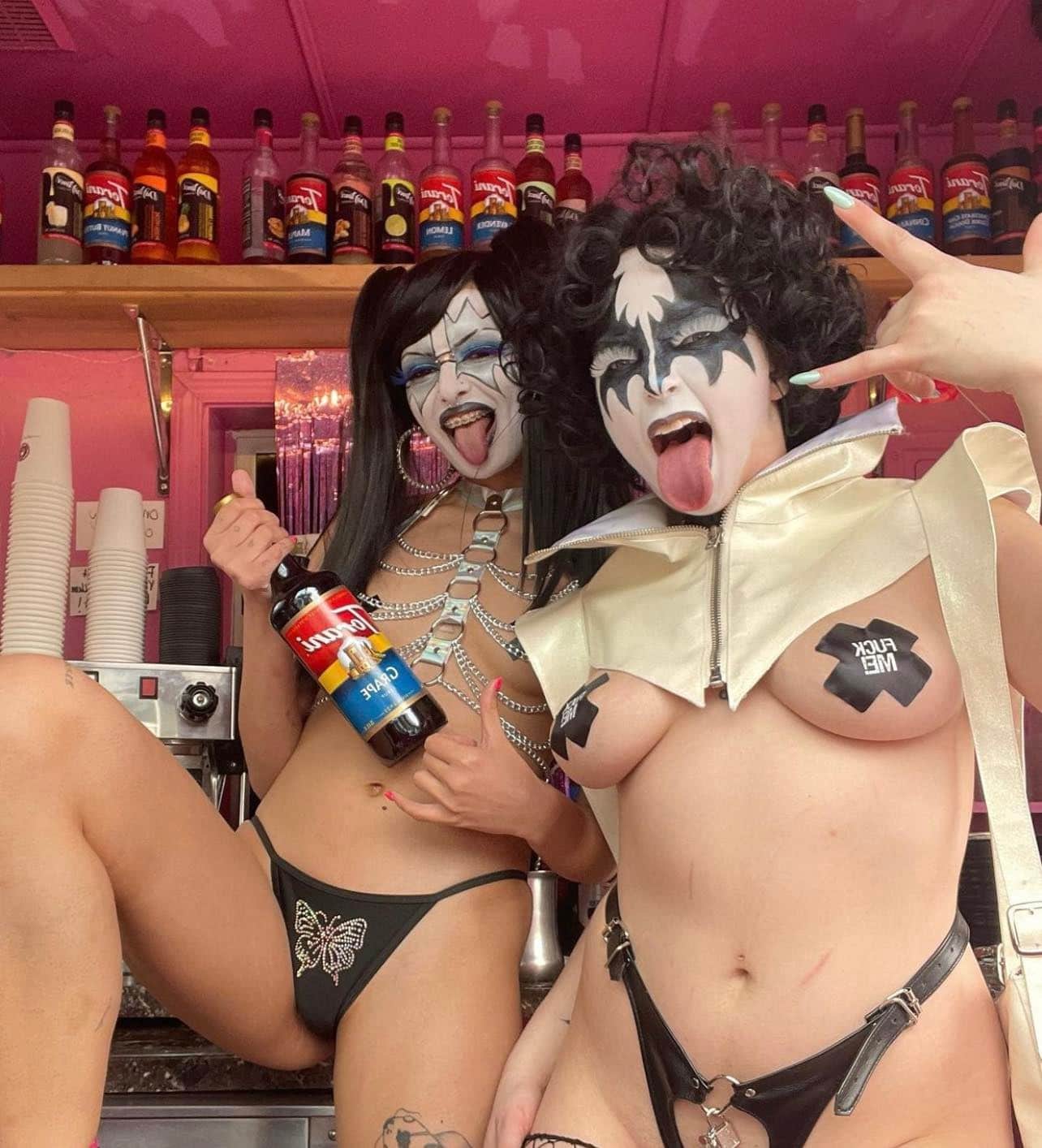
This is about women’s rights,” said barista Natalie Bjerke. “The city shouldn’t control what I wear to work—it violates my First Amendment rights.” Her statement highlights the core constitutional challenge to Everett’s dress code.
It’s our bodies and our choice,” declared Emilija Powell, a barista at Everett’s “Hillbilly Hotties.” Her statement frames the dress code debate as a personal rights issue. The remark underscores workers’ claims of bodily autonomy and free expression.

The case has sparked national debate, pitting women’s rights against public decency standards. It’s become a flashpoint in discussions about personal freedom and government regulation.
This isn’t about bikinis—it’s about poorly run businesses operating like strip clubs,” argued Assistant City Attorney Ramsey Ramerman. He maintained the ordinances addressed enforcement challenges under previous laws. The regulations, he stressed, targeted problematic establishments, not personal attire choices.
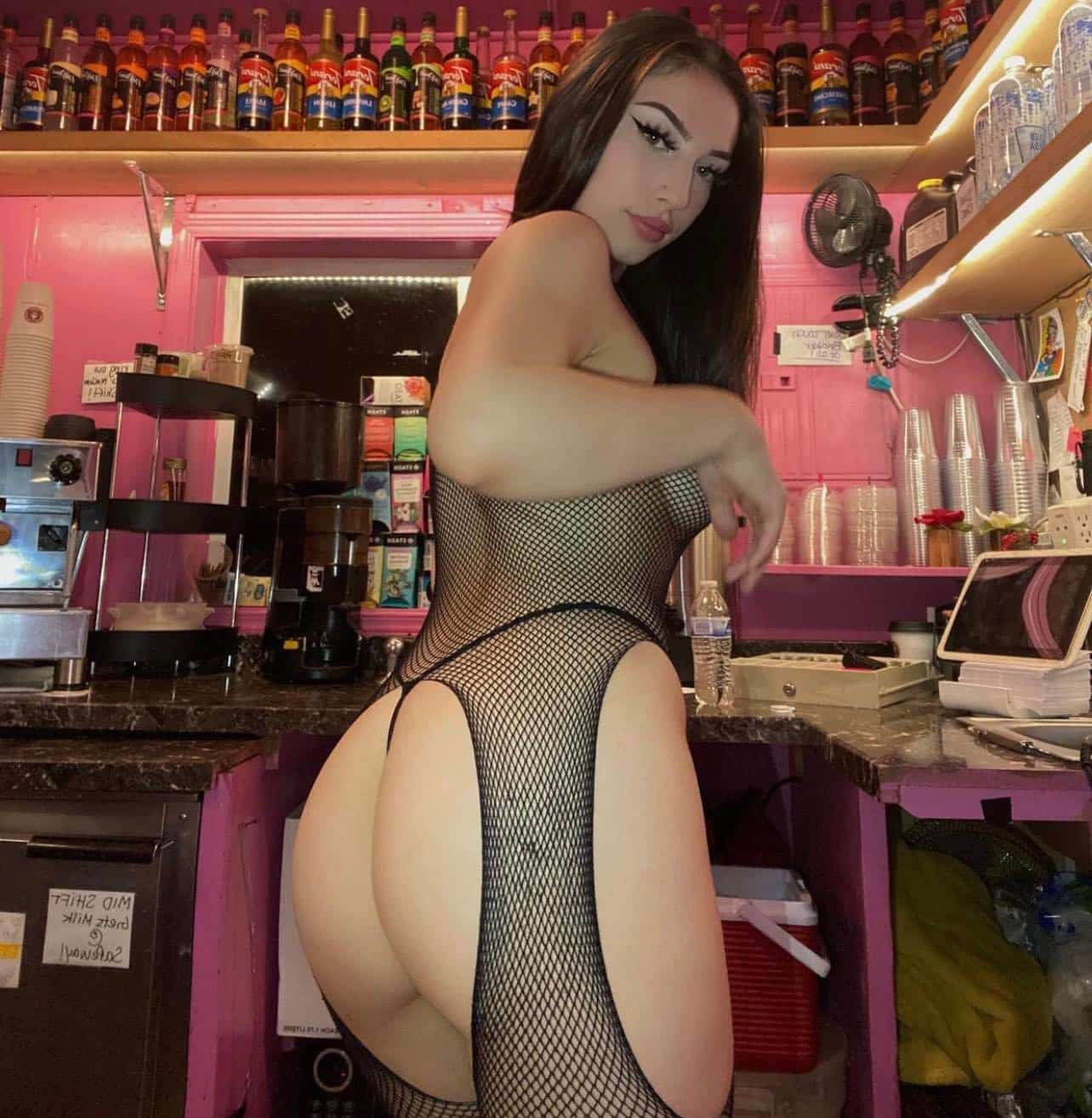
Undeterred, the baristas fought on—and won. A federal judge struck down the dress code as unconstitutional, upholding their right to choose work attire under the Equal Protection Clause. The landmark victory cemented workplace expression rights for “Hillbilly Hotties” and set a national precedent.

