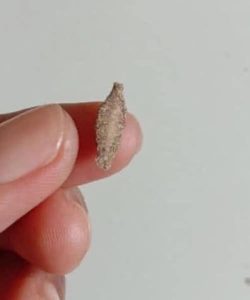
The Kamitetep, though tiny, can be a surprising nuisance. These small caterpillars, often seen clinging to walls and furniture in homes, are more than just odd-looking pests, they can cause skin irritation, bruising, and itching. Many people are unaware that this species, scientifically known as Phereoca uterella, is responsible for these uncomfortable symptoms.
According to Wikipedia, Phereoca uterella, commonly called the plaster bagworm or household casebearer, is a moth species prevalent in warm, humid climates across the Americas. It’s a frequent uninvited guest in households, where its larvae can wreak havoc.
The bites or stings from these caterpillars leave behind fine, needle-like hairs that trigger bruising, swelling, severe pain, and itching. These symptoms can persist for weeks, but applying anti-itch cream or ointment can help alleviate the discomfort.
The larvae of this moth live inside distinctive, flattened, sheath-like cocoons made of silk mixed with sand, dust, or soil. These cocoons feature openings at the front, back, or both, allowing the larvae to move in and out while remaining partially protected. The larvae only emerge halfway, fully exiting only to search for food.
These moths, measuring about 13 millimeters long, can produce up to 200 eggs per cycle. The hatched larvae form cocoons and hide in secluded spots around the house. They’re particularly fond of warm areas and are known to feed on cloth and small spiders, often attaching themselves to spider webs.
To keep these pests at bay, regularly inspect hidden, warm corners of your home where they’re likely to thrive. Staying vigilant can help protect your household from the Kamitetep’s itchy surprises.