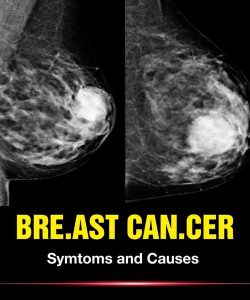
Breast cancer is a disease where cells in the breast grow abnormally and form a tumor. After skin cancer, it’s the most commonly diagnosed cancer in women in the United States. However, breast cancer doesn’t only affect women, anyone with breast tissue can develop it. Here’s a breakdown of the types, symptoms, causes, and when you should seek medical attention.
Types of Breast Cancer
- Ductal Carcinoma In Situ (DCIS)
- Invasive Lobular Carcinoma
- Inflammatory Breast Cancer
- Lobular Carcinoma In Situ (LCIS)
- Male Breast Cancer
- Paget’s Disease of the Breast
- Angiosarcoma
- Recurrent Breast Cancer
Common Symptoms of Breast Cancer
Breast cancer symptoms can vary from person to person. Some may be very noticeable, while others are subtle. Common signs include:
- A lump or mass in the breast or underarm area
- Changes in breast size, shape, or contour
- Skin changes on the breast or nipple (dimpling, redness, scaling, or puckering)
- Nipple discharge (clear or blood-stained)
- A hardened, marble-like area under the skin
- A lump that feels persistent throughout your menstrual cycle
Other Causes of Breast Changes
Not all breast changes mean cancer. Many signs can also be linked to:
Benign Breast Conditions:
These non-cancerous issues can cause lumps, pain, or nipple discharge and may also show up on a mammogram.
Hormonal and Life Changes:
- Breast tenderness or lumps during your menstrual cycle
- Changes due to pregnancy or menopause
- Hormonal medications like birth control or hormone replacement therapy can make breast tissue denser
Stages of Breast Cancer
Breast cancer is categorized into stages based on how far it has spread:
- Stage 0: Noninvasive, limited to breast ducts
- Stage I: Cancer cells are present in nearby tissue
- Stage II: A tumor has formed
- Stage III: The cancer has spread to surrounding tissue and lymph nodes (locally advanced)
- Stage IV: The cancer has metastasized to organs like the bones, liver, lungs, or brain
When to See a Doctor
If you notice a lump or any unusual changes in your breasts, don’t wait, schedule an appointment with a healthcare provider. Even if you’ve had a clear mammogram recently, any new symptoms should be evaluated.
Bottom Line:
Understanding the signs and stages of breast cancer can help with early detection. Stay aware of your body, and don’t hesitate to reach out to a medical professional if something feels off. Early diagnosis can make all the difference.