A nationwide uproar erupted as several Hollywood celebrities were accused of disregarding water conservation rules to preserve their lavish gardens, all while Los Angeles battled devastating wildfires and fire hydrants ran empty.
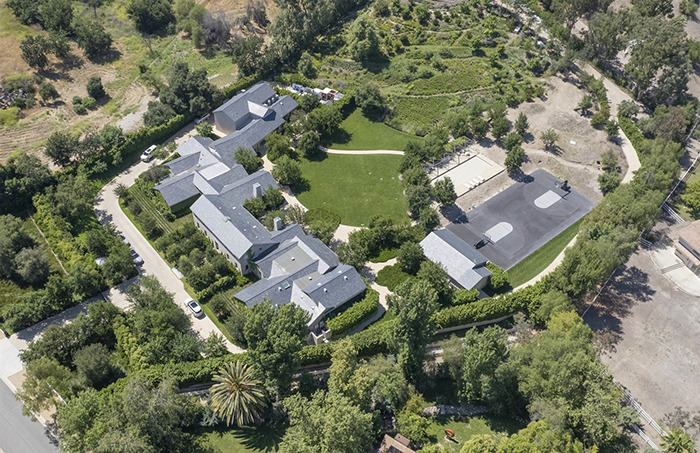
Since 2022, restrictions have been in effect, limiting ordinary residents to watering their lawns twice a week for just eight minutes per session. Yet, high-profile figures like Kim Kardashian have been found using far more water, exceeding their limits by hundreds of thousands of gallons, and are now facing penalties.
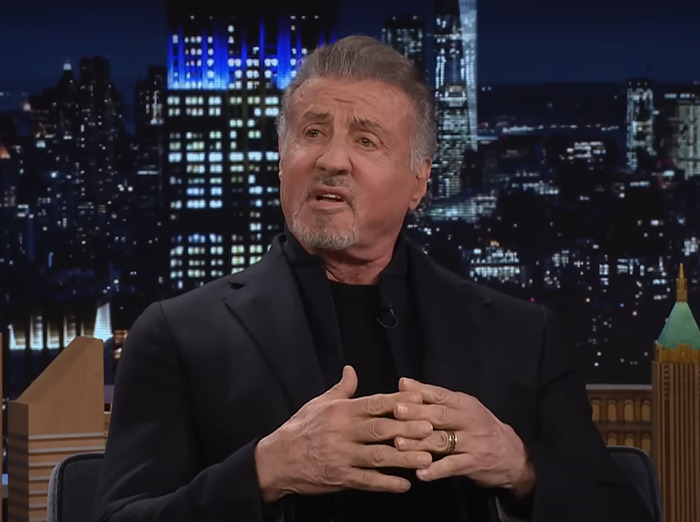
Although fined, neighbors have accused Kim Kardashian and other celebrities, including Sylvester Stallone and Kevin Hart, of still consuming excessive amounts of water.
A local resident told the media, “We were all asked to reduce water usage specifically for situations like this, to conserve it for firefighting efforts. They kept watering their lawns because they could easily pay the fines.”
Outraged netizens have voiced their anger after celebrities were accused of violating water-saving regulations to keep up their sprawling Los Angeles gardens.

“These celebrities have an inflated sense of entitlement,” one frustrated neighbor told the Daily Mail, reflecting the widespread sentiment that the devastating fires exposed the worst traits of celebrity and the wealthy elite.
The wealthiest individuals hired costly private firefighting teams, charging as much as $2,000 per hour, to protect their estates from the advancing flames, further fueling the public’s frustration.

Chris Dunn, the owner of Covered 6, a private firefighting service, shared with the outlet that his phone had been ringing off the hook since the disaster began, with demand reaching all-time highs.
A wealthy resident justified his actions, saying, “This week has proven that you can’t rely on the city to safeguard your property. I have the resources, so why not use them?”
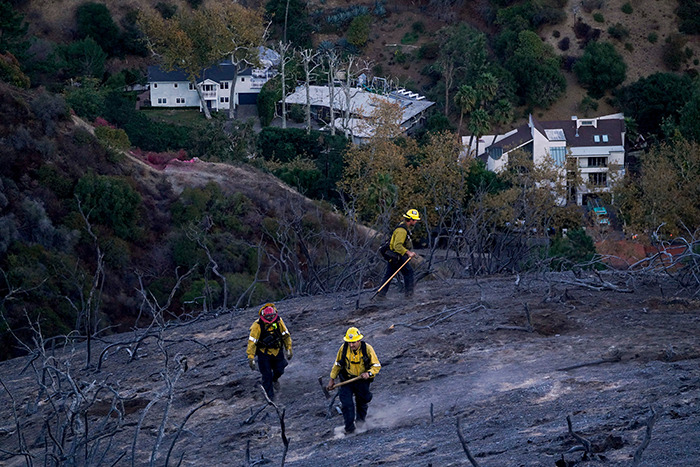
As public hydrants run dry, with up to 20% of water taps in Los Angeles going empty, private firefighting companies have stepped in.
“We’re not relying on hydrants at the moment,” explained Kristin M. Crowley, chief of the Los Angeles Fire Department. “We need solutions to prevent this from happening again and ensure that we have all the resources necessary to tackle these devastating fires.”
As containment efforts struggle to make headway, feelings of helplessness continue to grow as the flames relentlessly advance.
The catastrophic scale of the disaster, rivaling the tragic 2018 Camp Fire that devastated over 150,000 acres in Northern California, has left many feeling powerless. As they watch everything burn, people are desperately seeking ways to channel their anger and grief.
From arsonists intensifying the destruction to “out-of-touch” celebrities asking for donations via fundraisers—despite their vast wealth—the crisis has ignited a firestorm of outrage across social media.

Progress has been sluggish, with the Palisades Fire, the largest of the three, only 14 percent contained as of Monday morning (January 13).
The second largest, the Eaton Fire, is 33 percent contained, while the smallest, the Hurst Fire, is nearing full containment with 95 percent under control.
“We keep getting delayed by Mother Nature,” Joe Everett, assistant chief of the Los Angeles Fire Department, sighed during a news conference. “I understand you want to return to your homes, and we’re working on plans to make that happen,” he added.
Experts explain that two seasons of heavy rainfall, followed by an extreme drought, created the perfect conditions for the flames to rapidly spread.
Climate experts suggest that this year’s Los Angeles wildfires were the result of a perfect storm of factors, making it easier for the flames to spread and grow to catastrophic proportions.
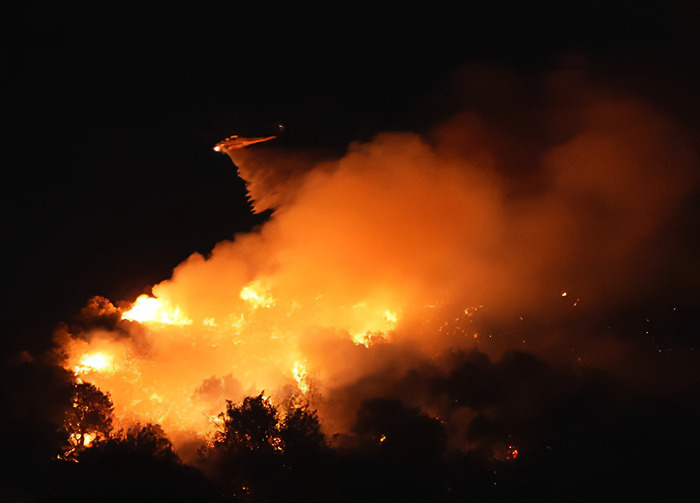
For a fire to grow to such massive proportions, it requires a substantial amount of fuel. In the case of a wildfire, this fuel typically consists of grasses, leaves, and dried-out shrubbery, which are quickly consumed by the flames.
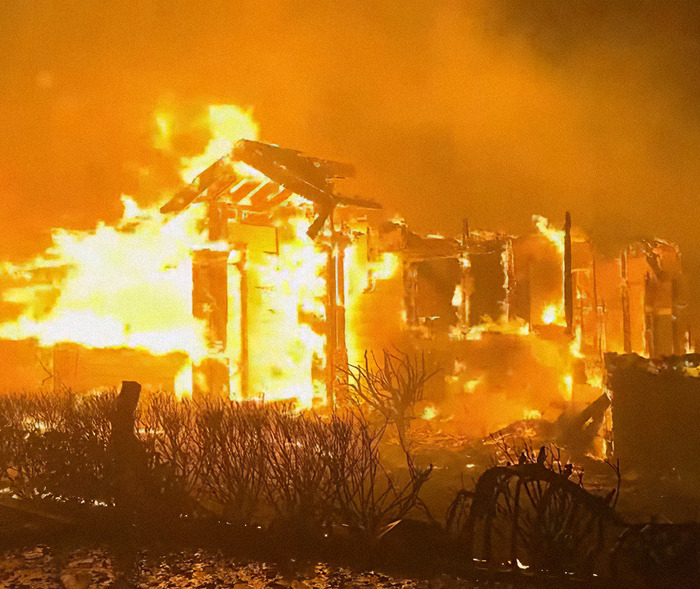
Structures and trees, however, smolder for longer periods, allowing strong winds to carry the flames farther and intensify their burn.
In Southern California, the precipitation patterns during the previous two winters were ideal, with 2022 receiving 21.45 inches of rain and 2023 registering 18.81 inches.
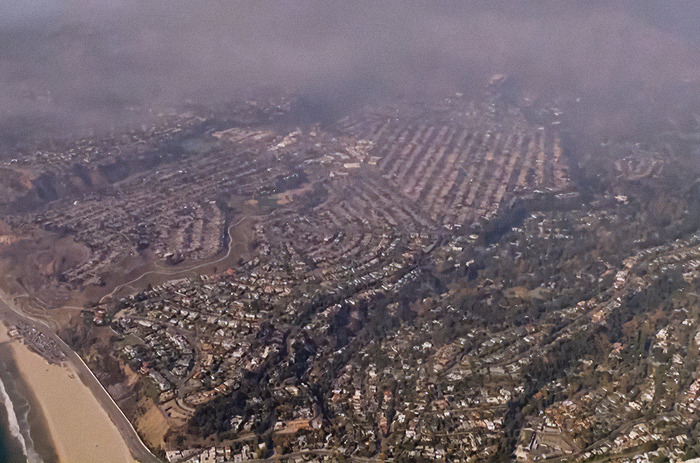
The consecutive rainy seasons triggered a surge in vegetation growth, which thrived in the aftermath. However, since May 2024, an extreme drought followed, with only 0.03 inches of rain recorded during that entire period.
This dramatic shift created a perfect storm, as the excess growth dried up and died, providing ample fuel for any spark to escalate into a disaster capable of displacing over 150,000 residents.
Netizens expressed outrage over celebrities ignoring water restrictions, believing that the fines imposed were insufficient and failed to deter their behavior.

“Yet these celebs wonder why the rest of us don’t feel much sympathy for them. We’ve all done our part to conserve water, not just for ourselves but for our communities,” one user commented.
“Where did the money from the fines go? It certainly didn’t help address the severe water crisis, which has now spiraled into a catastrophic disaster,” another user questioned.
“Forget the fines; just shut off the water once the limit is reached,” suggested a reader.
“If the punishment is just a fine, it only means the wealthy can afford to pay for their violations. Fines don’t stop the rich from abusing the rules,” another user pointed out.
“Make the fines based on their income, like they do in Finland. Let’s see if they keep watering their lawns when the fine is $2 million,” one suggested.
“What a disgrace.” Netizens took to social media to express their disappointment, condemning celebrities for disregarding water restrictions while the fires raged on.