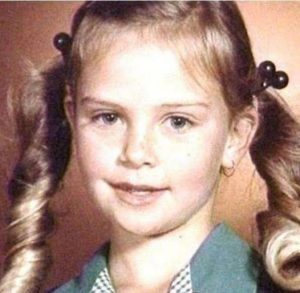
As a young girl, Charlize Theron endured a life-changing and heartbreaking event, her mother shot her father in self-defense, resulting in his death.
Despite this traumatic beginning, Charlize overcame immense challenges to build a thriving Hollywood career and earn the ultimate recognition: an Academy Award.
A Tragic Childhood
Hollywood is full of stars who have risen from humble beginnings, proving that success comes from grit and determination rather than privilege. Charlize Theron’s journey is no exception. More than just a pretty face, she broke free from the shallow stereotypes often assigned to women in the industry by facing down personal adversity few could imagine.
Born on August 7, 1975, in Benoni, South Africa, Charlize grew up in a family with deep Afrikaner roots, tracing back to Dutch, French, and German ancestors, including early French Huguenot settlers. Her parents worked in road construction, and she grew up speaking Afrikaans before mastering English.
School Struggles and Early Bullying
As a child, Charlize felt isolated, especially around boys. “I wore really nerdy glasses because I was completely blind, and the boys didn’t like me,” she once shared. She wasn’t part of the popular crowd and faced a lot of teasing over her glasses, hair, and clothes. Yet, by high school, she had grown more resilient and moved past the bullying.
The Night That Changed Everything
Charlize’s home life was fraught with tension due to her father’s struggle with alcoholism and a volatile temper. On June 21, 1991, when she was just 15, her father came home drunk and furious, threatening violence. An aunt had warned the family of his mood, and Charlize sensed something was very wrong.
“My mom and I were in my bedroom, pressing against the door to keep him from breaking in,” Charlize recounted. Her father fired three shots through the door, but none hit them, a miracle she acknowledges. In an act of desperate self-defense, her mother shot back and killed him. The court ruled it self-defense, and her mother faced no charges, but the trauma left a lasting mark on Charlize.
She described her father as a large man with “skinny legs and a big belly,” someone who could be serious and loving but was haunted by alcoholism. Though he never physically harmed her, he was verbally abusive, a struggle that Charlize openly acknowledges as part of her story.
Turning Trauma into Strength
Rather than breaking her, this traumatic experience fueled Charlize’s determination. “I survived that, and I take pride in it,” she said. She believes sharing stories like hers helps others understand they are not alone, especially those who grow up around addiction and violence.
Hollywood Dreams Realized
At 19, Charlize moved to Los Angeles with nothing but a suitcase and fierce ambition. Without connections or support, she worked hard to prove herself. A chance encounter with a talent agent, overhearing her argument at a bank, led to her first opportunities.
Her big break came with The Devil’s Advocate in 1997, but it was her fearless transformation in Monster (2003) that truly stunned Hollywood. She gained weight and abandoned glamor to portray serial killer Aileen Wuornos, earning her an Academy Award for Best Actress.
Charlize continued to push boundaries with varied roles, including playing multiple killers, proving her range and depth. She also became a powerful force behind the scenes, advocating for women’s opportunities in film.
At 40, an age when many actresses face career decline, she reinvented herself as Furiosa in Mad Max: Fury Road, further cementing her legacy as an icon of strength and versatility.
Reflecting on Aileen Wuornos
The story of Aileen Wuornos, a former sex worker executed for multiple murders, inspired Monster. Film critic Roger Ebert praised Charlize’s performance as “one of the greatest in the history of cinema.” In interviews, Charlize has expressed fascination with the complexity behind such troubled individuals, emphasizing the importance of understanding their stories beyond labels.
Charlize Theron’s journey from a traumatic childhood in South Africa to Hollywood stardom is a testament to resilience, courage, and the power of storytelling to transform pain into purpose.