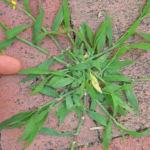
Euphorbia hirta, often referred to as the “Asthma-plant,” is a widely respected medicinal herb known for its effectiveness in managing respiratory conditions. Although commonly overlooked as a weed, this small, bushy plant native to tropical regions has a long-standing history in traditional medicine systems throughout Asia, Africa, and Latin America. Its reputation is built upon a wide range of healing properties that extend beyond respiratory support.

Understanding Euphorbia Hirta: Botanical Overview
Belonging to the Euphorbiaceae family, Euphorbia hirta thrives in warm climates and grows low to the ground. It features hairy stems, oval leaves with a slight reddish hue, and tiny clustered flowers. Despite its invasive nature, the plant is treasured in ethnomedicine for its ability to alleviate inflammation, relax bronchial muscles, and treat various internal and external ailments.
Traditional and Therapeutic Uses of Euphorbia Hirta
1. Respiratory Relief
Euphorbia hirta is most renowned for its bronchodilator and anti-inflammatory effects, making it a traditional remedy for asthma, bronchitis, and persistent coughs. It eases breathing by relaxing the bronchial passages and reducing inflammation in the airways, providing comfort for those experiencing respiratory distress.

2. Antimicrobial Activity
The herb has demonstrated antibacterial and antiviral properties, particularly in treating respiratory infections, skin wounds, and minor cuts. Traditional applications include teas and poultices that help manage infection and support immune function.

3. Digestive Aid
Commonly used for treating diarrhea, dysentery, and general stomach discomfort, Euphorbia hirta acts as an antispasmodic. It helps calm intestinal spasms and inflammation, supporting gastrointestinal health and providing relief from digestive upset.
4. Natural Pain Relief
Its analgesic and anti-inflammatory properties make Euphorbia hirta effective in alleviating pain from headaches, arthritis, and joint discomfort. Traditional poultices made from crushed leaves are applied directly to affected areas to reduce swelling and discomfort.
5. Menstrual and Hormonal Support
In some traditional practices, Euphorbia hirta tea is consumed to help regulate menstrual cycles, ease cramps, and support hormonal balance. Its mild estrogenic effects may also offer benefits during menopause.

6. Urinary Tract Health
With natural diuretic properties, Euphorbia hirta supports urinary tract health by promoting the elimination of toxins and reducing the risk of urinary infections. Herbal infusions are commonly used in traditional medicine to treat UTIs and maintain kidney function.
Key Active Compounds
Euphorbia hirta owes its healing effects to a rich profile of phytochemicals, including:
- Flavonoids and Phenols: Provide antioxidant protection and help combat oxidative stress.
- Tannins: Contribute to its anti-inflammatory and antimicrobial properties.
- Alkaloids: Offer bronchodilator effects, aiding in respiratory relief.
Common Preparations
Herbal Tea
Prepared by boiling fresh or dried leaves and stems in water, Euphorbia hirta tea is a popular remedy for asthma, digestive complaints, and menstrual discomfort. It should be consumed in moderation due to its potency.
Topical Poultices
Fresh leaves are mashed and applied directly to the skin for treating wounds, infections, and inflammation.
Extracts and Tinctures
Used in small, controlled doses for internal conditions, offering a concentrated source of the plant’s active compounds.
Capsules and Powders
These provide a convenient and measurable way to incorporate Euphorbia hirta into modern wellness routines.

Safety Guidelines
While generally safe in traditional doses, Euphorbia hirta should be used cautiously:
- Pregnant or breastfeeding women should avoid use due to a lack of conclusive safety data.
- Allergic reactions may occur in sensitive individuals, perform a patch test before topical application.
- Consult a healthcare provider before starting any new herbal remedy, especially if you have underlying conditions or are taking medication.
Conclusion
Euphorbia hirta, the so-called “Asthma-plant,” is much more than a common weed. Its traditional use spans multiple health areas, from respiratory wellness to digestive balance and skin care. With growing scientific interest and continued use in traditional herbalism, this plant bridges ancient knowledge with modern health practices, offering a powerful tool for natural healing when used responsibly.