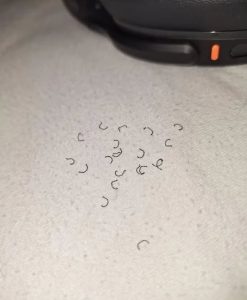
Have you ever noticed small, curled-up shavings on your bedsheets, desk, or even stuck to your wrist after taking off your smartwatch? They kind of look like mini Velcro hooks, soft, curved, and oddly out of place. And if you’re certain there’s no Velcro anywhere nearby, you’re probably left wondering… where are these things even coming from?
As weird as they may seem, these little fragments have a very common source: the band of your smartwatch or fitness tracker. If your strap is made of silicone or rubber (which most are), you’ve probably seen these without realizing it. They’re not dangerous, not gross, just a normal side effect of daily wear and tear.
So What Are They, Exactly?
Those tiny curls are pieces of your strap that have worn down and broken off over time. Think of your watch band like a well-loved pair of sneakers, eventually, the constant bending, rubbing, and movement take a toll. Instead of cracking or tearing, rubber and silicone often shed in these small, curved shavings that just so happen to look like tiny Velcro fibers.
What Causes This?
There are a few culprits, and they’re all part of everyday life:
Friction: Every time you twist your wrist, type at a keyboard, rest your arm on a desk, or adjust your strap, you’re adding a little stress to the band. Over time, that constant contact wears the material down like super-fine sandpaper.
Sweat and skin oils: If you wear your watch while working out, sleeping, or during hot weather, your body’s natural sweat and oils seep into the strap. This softens the material and gradually breaks it down, especially on cheaper or older bands.
Material quality: Not all bands are created equal. Inexpensive third-party straps or older rubber ones tend to degrade faster. Higher-end materials like fluoroelastomer (used in many premium bands) are more resistant to wear, heat, and sweat and can last for years.
Should You Be Worried?
Nope! These shavings aren’t harmful and won’t damage your skin or the device itself. But they are a heads-up that your strap might be wearing out. If you start seeing more flakes, cracks, or skin irritation near the band, it might be time for a replacement.
How to Prevent (or Slow Down) Strap Damage
Good news: a few simple habits can extend your band’s life and keep those shavings away.
Clean your band regularly. Just a quick rinse with mild soap and warm water once or twice a week can help clear away sweat, oil, and grime that speed up wear.
Switch it up. If you have multiple watch bands, rotate them every few days. This gives each one time to dry and rest, and reduces how often each is exposed to friction and moisture.
Minimize rubbing. Notice your watch constantly brushing against your shirt cuff, desk, or armrest? Try loosening your sleeve, shifting your arm position, or wearing your watch a little looser (as long as it’s still secure).
Invest in quality. If you’re due for a new band, consider one made from more durable materials. It might cost more upfront, but it’ll save you in the long run, and it’ll feel better on your wrist.
Final Thoughts
If you’ve spotted those weird Velcro-like curls on your sheets or desk, don’t panic, you’re not imagining things. Your smartwatch band is just going through the natural process of aging. These tiny fragments are your device’s way of saying, “Hey, I’ve been through a lot.”
A little care goes a long way. Keep your band clean, rotate when you can, and upgrade when needed. That way, your smartwatch stays comfy, stylish, and flake-free for as long as possible.