
A high school student from Idaho and Nevada has made waves in the science world by turning to her roots, and uncovering a potential weapon against cancer.
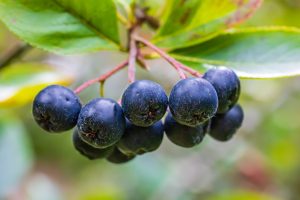
Destany “Sky” Pete, a proud member of the Shoshone and Paiute Tribes of the Duck Valley Indian Reservation, chose to investigate an important part of her community’s food traditions for her 2017 science fair project: the chokeberry. Known for its sharp taste and deep color, this small berry has been used for generations in traditional dishes like pudding.
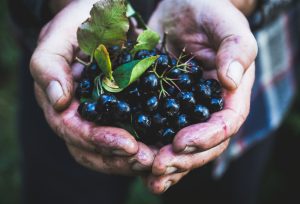
But Sky wasn’t just interested in its flavor. Inspired by a conversation with a tribal elder who lamented the shift away from traditional foods and the health problems that followed, she wanted to explore whether chokeberries held more than just cultural value. According to the elder, the chokeberry pudding, especially the kind that includes crushed seeds, had once been central to the tribe’s well-being.
So Sky got to work.
Cracking the Seed Code
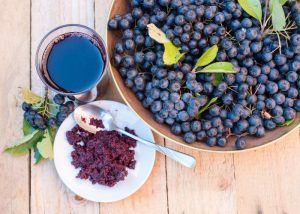
With help from her high school science teacher, Dietlinde Dann, Sky connected with Dr. Ken Cornell, a biochemistry professor at Boise State University. In his lab, Sky tested four types of chokeberry extracts on uterine sarcoma cancer cells. After a 24-hour incubation period, the results were clear: the extract made with the whole berry and seeds showed the strongest ability to kill cancer cells. The juice alone didn’t have the same effect.
“The traditional method of preparing chokeberry pudding includes the seeds, crushed right in,” Sky explained. “Nowadays, people often leave them out. But maybe the seed is where the medicine really is.”
While her findings are early-stage and limited to test tube experiments, the implications are exciting. A traditional food passed down through generations could one day help fight cancer.
So, What Are Chokeberries?
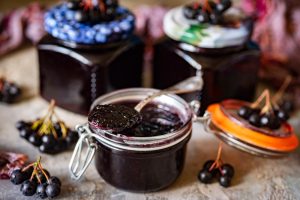
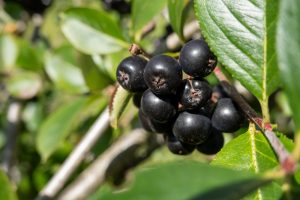
Also known as aronia berries, chokeberries are small, dark fruits native to North America. They’re tart and rich in pectin, making them great for jellies, jams, and puddings. In the Shoshone culture, chokeberries are most commonly enjoyed as a pudding.
But these little berries are more than just a tasty tradition.
Packed with Powerful Benefits
Chokeberries are loaded with antioxidants, especially anthocyanins and phenolic acids. These plant compounds help reduce inflammation, support heart health, and fight oxidative stress—the kind of cell damage linked to aging and disease. They’re also a great source of vitamins A, C, and E, plus minerals like iron, magnesium, and potassium.
Studies have shown that chokeberry extracts can slow the growth of tumor cells, trigger apoptosis (the natural death of unhealthy cells), and reduce inflammation. Some research even points to their potential in fighting colon and breast cancer.
A Promising First Step
While it’s too soon to say chokeberries are a cure for cancer, Sky’s project is a powerful reminder of the wisdom embedded in Indigenous food traditions. Her discovery not only earned her top honors at her regional science fair, but also spotlighted the importance of honoring and preserving cultural knowledge.
It may be years before researchers can confirm whether chokeberries will play a role in cancer treatments, but one thing is certain: they’re a nutritional powerhouse worth paying attention to. And thanks to Sky Pete, the story of this humble berry just got a lot more interesting.