For over ten years, we’ve used a humble but powerful garden tool: rain barrels made from old reclaimed whiskey barrels. These sturdy oak containers quietly sit at the corner of our house, soaking up spring and summer rain to help us keep the garden lush through the dry spells.
But as much as we loved collecting rainwater, there was one persistent problem: mosquitoes.
Why Rain Barrels Are a Gardener’s Best Friend
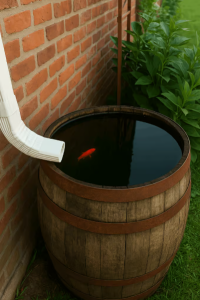
Rain barrels are more than just rustic garden decor, they’re an eco-friendly powerhouse. Here’s why we still swear by them:
- Save money on water bills
- Provide clean, chemical-free water for your plants
- Help reduce stormwater runoff
- Keep your garden watered during droughts
- Look amazing when made from repurposed whiskey barrels
- But like most good things, they came with a catch…
The Not-So-Fun Part: Mosquitoes
When we first started using rain barrels, everyone warned us: stagnant water is basically a 5-star mosquito hotel. And they weren’t wrong.
We explored the usual solutions:
- Mesh screens (decent, but not foolproof)
- Sealed plastic barrels (not our vibe)
- Mosquito dunks (contain chemicals we didn’t want near our veggies)
- None of them felt right. We wanted a natural, low-maintenance fix, and we found one.
The Unexpected Hero: Feeder Goldfish
One spring, we stumbled on a simple tip that completely changed our garden game: add goldfish to the rain barrels.
Seriously.
We picked up a few feeder goldfish from the pet store (they’re usually $1–$2 each) and gently placed them in the barrels. That’s it.
What they do:
- Gobble up mosquito larvae before they hatch
- Munch on algae
- Help break down tiny debris
- Keep the water fresh, no filters, no cleaning, no feeding required
- These little guys thrive off the mini-ecosystem inside the barrel. It’s low effort and totally natural.
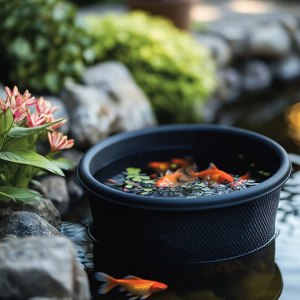
Clean, Chemical-Free Water All Season Long
With goldfish on patrol, our water stays clear and mosquito-free, and we’ve never had to worry about bugs since. Plus, the plants seem to love the nutrient-rich water even more.
What About Winter?
As fall sets in, we have a few options:
- Move the goldfish to a small indoor aquarium
- Relocate them to a pond if you’ve got one
- Or (if needed) replace them next spring
- We usually try to keep them, they’ve earned their keep!
Tips to Make It Work
Want to try this trick? Here’s what we recommend:
- Use large barrels (at least 40 gallons)
- Keep barrels in partial shade to avoid overheating
- Skip chemicals, mosquito dunks and pesticides can harm fish
- Check water levels during hot or dry weeks
- Cover part of the barrel to protect fish from predators like raccoons or birds
Work With Nature, Not Against It
This goldfish trick is a small example of a bigger philosophy: building systems that work with nature. Instead of fighting mosquitoes with chemicals, we introduced a natural predator that keeps everything in balance, and it’s been a win for our garden, our wallet, and the planet.
If you’ve got rain barrels or you’re thinking of adding them, give a few feeder fish a job this summer. They’ll earn their keep in no time.