Introduction
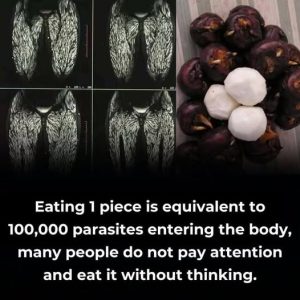
Foodborne parasites are a serious threat to food safety. These tiny organisms, such as amoebas, roundworms, hookworms, and tapeworms, can cause various health problems when they enter the human body. Symptoms of parasitic infections include digestive troubles, gastrointestinal infections, anemia, and colitis. Although parasites are often invisible and cannot be detected by smell, they can be eliminated through good hygiene and thorough cooking. To keep yourself and your family safe, it is important to know which foods may carry harmful parasites. This article highlights common foods that need extra caution to avoid parasite-related health risks.
Common Foods That May Carry Parasites
Undercooked Meat (Pork, Beef, and Fish)
Eating raw or undercooked meat, especially pork, beef, and fish, can expose you to parasites like tapeworms and roundworms. For example, undercooked pork may contain Trichinella parasites that cause trichinosis, while fish can carry Anisakis worms, which cause anisakiasis. Cooking meat thoroughly is essential to kill these parasites and protect your health.
Raw or Undercooked Shellfish
Shellfish such as oysters, clams, and mussels filter water and can accumulate parasites, including trematodes (a type of flatworm). Eating raw or undercooked shellfish greatly increases the risk of infection, which can have serious long-term effects.
Unwashed Fruits and Vegetables
Fresh fruits and vegetables that are not properly washed or peeled can carry parasites like Toxoplasma gondii, responsible for toxoplasmosis, and Giardia, which causes giardiasis. Parasites may be present in the soil where produce is grown or introduced during handling and transport. Washing produce well helps reduce infection risks.
Unpasteurized Dairy Products
Raw dairy products, including milk, cheese, and yogurt, can harbor parasites such as Cryptosporidium and Giardia. These organisms resist common cleaning methods, making raw dairy a potential health hazard. Pasteurization kills these parasites, making dairy safer to consume.
Contaminated Water
Drinking or using contaminated water to wash food can introduce parasites like Giardia and Entamoeba histolytica. Always use clean, filtered, or boiled water, especially when traveling in areas with poor sanitation.
- Safe Food Preparation Tips
- Proper Cooking of Meat
- Cook pork to at least 145 degrees Fahrenheit (63 degrees Celsius).
- Cook beef to at least 160 degrees Fahrenheit (71 degrees Celsius).
- Cook fish to at least 145 degrees Fahrenheit (63 degrees Celsius), or until the flesh is opaque and flakes easily.
Cooking Shellfish Thoroughly
Steam, boil, or grill shellfish to ensure they reach high enough temperatures to kill parasites. Discard any shellfish that do not open during cooking.
Washing Produce
Rinse fruits and vegetables under running water before eating, cutting, or cooking. Use a brush for thicker-skinned produce like potatoes or cucumbers. Peel when possible to further reduce risks.
Avoid Raw Dairy
Choose pasteurized dairy products and check labels to confirm pasteurization.
Use Clean Water
Drink water from trusted sources. If unsure, use bottled, filtered, or boiled water.
Storing and Handling Food Safely
Storing Meat
Keep raw meat separate from ready-to-eat foods in the fridge. Use airtight containers to prevent cross-contamination. Cook meat fully before serving.
Freezing Fish
Freeze raw or lightly cooked fish for at least 24 hours to kill parasites like Anisakis, especially for sushi-grade fish.
Washing Hands and Surfaces
Wash your hands with soap and water before preparing food and after handling raw meat or seafood. Clean all surfaces and utensils thoroughly.
Storing Produce
Store unwashed produce in a cool, dry place. Wash produce right before eating and refrigerate after washing to keep it fresh.
Ways to Reduce Parasite Risks
Choose Cooked or Pasteurized Alternatives
If you enjoy sushi, oysters, or other raw foods, try cooked options like grilled shellfish or cooked sushi rolls to reduce parasite risks.
Grow Your Own Produce
Growing your own fruits and vegetables can lower contamination risks. Always wash homegrown produce thoroughly and keep your garden clean.
By following these tips and staying vigilant about food safety, you can significantly reduce your risk of parasitic infections. Prioritize cleanliness and proper cooking to protect yourself and your loved ones from foodborne parasites.