At 27, Karoline Leavitt has gone from serving ice cream in New Hampshire to speaking for Trump at the White House. Once a journalism student, she’s now a vocal media critic and rising Gen Z star in conservative politics. Her rapid rise reflects a new generation shaping the GOP.
Karoline Leavitt’s recent criticism of Joe Biden ignited fierce backlash, with opponents calling her remarks disrespectful and unbecoming of a political professional. The controversy has raised questions about the tone of Gen Z conservatives in national debates. Even some allies worry such attacks could undermine her promising rise in Republican circles.
Karoline Leavitt faced swift backlash after mocking President Biden’s age during his Chicago speech on Social Security. When asked for comment, she quipped: “I’m shocked he’s speaking at night—I thought his bedtime was earlier.” Critics called the jab petty and ageist, while defenders argued it highlighted concerns about Biden’s stamina. The remark has further fueled debates over civility in politics and how younger conservatives frame their opposition.
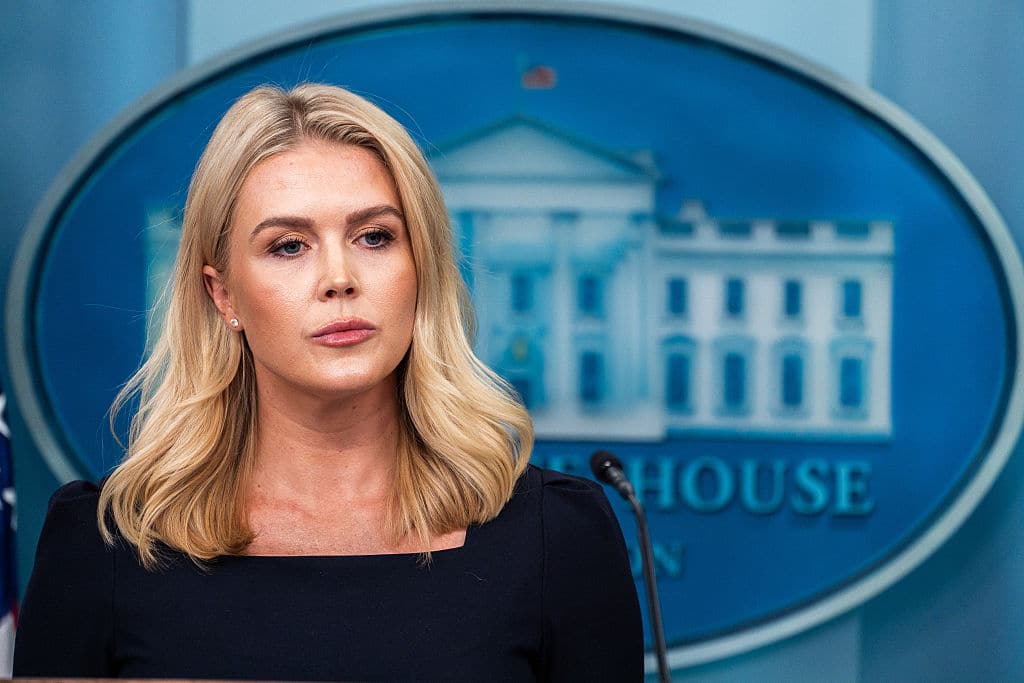
Karoline Leavitt’s remarks about President Biden’s bedtime—a clear dig at the 81-year-old’s age—drowned out her intended focus on Trump’s Social Security stance during the Chicago event. Though she emphasized Trump’s commitment to preserving benefits (“He protected it in his first term, and he’s back to continue that”), the viral moment centered on her quip, which critics slammed as hypocritical given her 32-year age gap with her husband.
The backlash was swift: Social media users branded her tone “juvenile” and “unnecessary,” with some noting the irony of her age-related jab while married to a man decades older. While the exchange energized conservative circles, it also reignited debates over whether such personal attacks undermine substantive policy discussions—or simply reflect today’s sharp-elbowed political playbook.
While Karoline Leavitt’s jab at Biden’s age dominated online discourse, even some supporters questioned its appropriateness. “She’s talented, but this wasn’t the move—stay above the cheap shots,” one follower remarked, while another bluntly posted, “Karoline, you crossed the line.” The divide highlighted tensions within the GOP over how aggressively to weaponize Biden’s age, a frequent Trump campaign talking point.
Meanwhile, Biden used his Chicago speech to deliver a fiery defense of Social Security, lambasting Republican proposals to subject the program to periodic Congressional renewal. “Who the hell do they think they are?” he snapped, criticizing Trump-era tax cuts and warning against privatization efforts. His warnings resonated with advocates like disability attorney Jason Turkish, who noted, “Social Security was once sacred. Now, even its basics are up for debate.”
The clash underscored a broader contrast: Leavitt’s personal barb drew attention, but Biden’s policy-focused push aimed to reframe the election around entitlements—a vulnerability for Trump, whose past remarks about cutting “waste” in Social Security continue to haunt him.
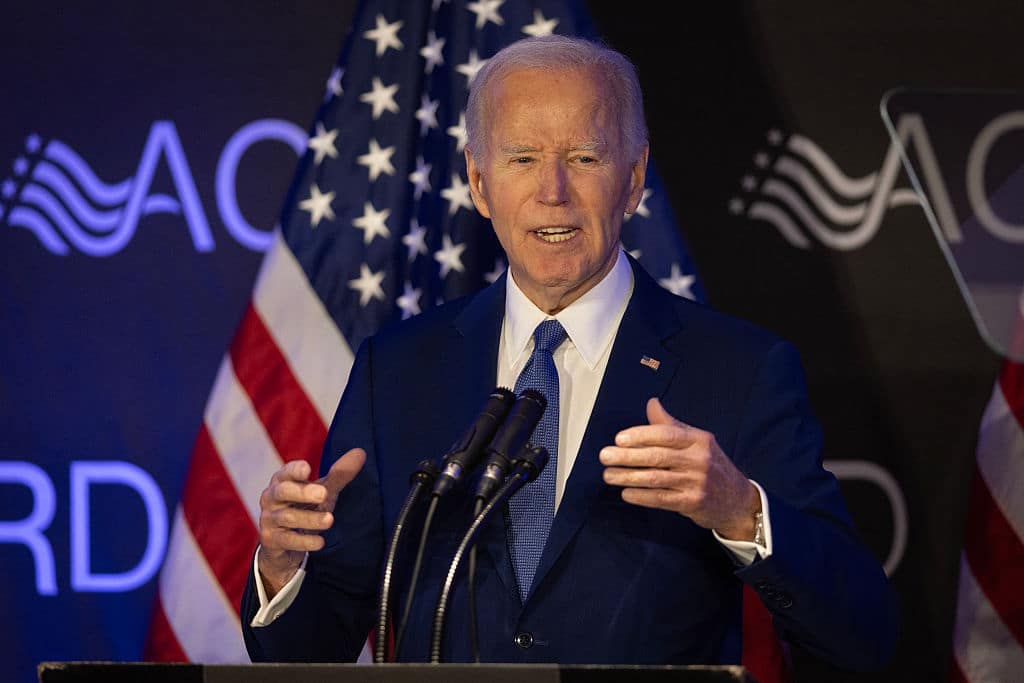
While disability attorney Jason Turkish acknowledged some progress in the SSA’s recent easing of ID requirements—calling it a “hopeful sign”—the policy discussion was largely eclipsed by the firestorm over Karoline Leavitt’s age-related jab at President Biden. The remark laid bare the deepening divide in political rhetoric: supporters praised her unfiltered approach as refreshing honesty, while critics decried it as needlessly demeaning in an already toxic climate.
Biden, meanwhile, remained focused on his legacy, delivering a passionate defense of Social Security that mirrored themes from his farewell-style address earlier this year. “I still believe in the idea for which this nation stands,” he declared, framing the program as part of America’s core values. “Now it’s your turn to stand guard.” His emotional appeal—“I love America. You love it too”—stood in stark contrast to the personal attacks dominating the discourse.
As the 2024 election heats up, the incident has become a microcosm of a larger struggle: Can substantive policy debates survive in an era of viral soundbites and ad hominem clashes? With Social Security’s future hanging in the balance, the answer may shape not just this campaign, but the very norms of American politics.