At the center of this case lies a critical legal issue grounded in the Fair Labor Standards Act (FLSA), which guarantees certain protections for workers. According to the law, employees must be compensated for breaks if they are not “completely relieved from duty” during that time (U.S. Department of Labor, FLSA Fact Sheet #22). Requiring employees to remain on-call during unpaid breaks directly violates this standard. By citing this law and filing a report with the Department of Labor, the worker demonstrated a clear and assertive use of their legal rights to confront and challenge exploitative workplace practices.

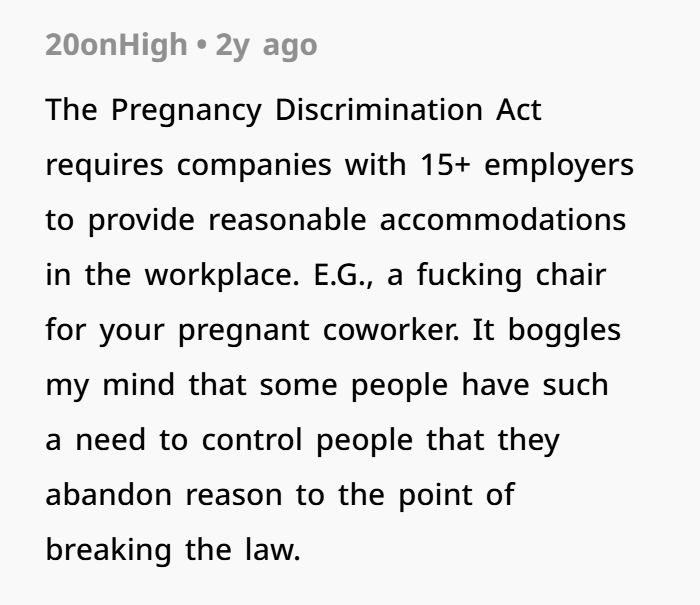
From an ethical standpoint, this case highlights a deeper, systemic issue prevalent in healthcare-adjacent industries: chronic burnout and the ongoing neglect of employee well-being. Research from institutions like the National Institute for Occupational Safety and Health (NIOSH) shows that healthcare workers are especially vulnerable to burnout particularly when they’re forced to choose between patient care and their own health. Practices such as removing chairs from pregnant staff or denying access to heat relief not only show a lack of empathy but may also violate legal protections under the Americans with Disabilities Act (ADA) and the Pregnancy Discrimination Act (PDA), both of which mandate reasonable accommodations for health-related needs.
The story also reveals a troubling cultural divide within the same organization. The stark contrast between the employee’s previously positive experience with the company and their mistreatment in a new department underscores a key reality: leadership can make or break a workplace. Supportive management builds resilience; poor leadership accelerates burnout and attrition.
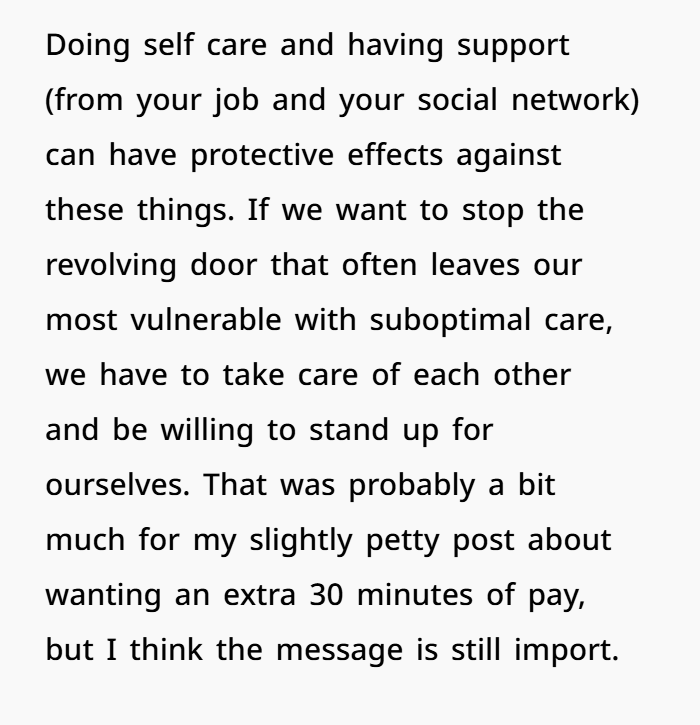
Ultimately, the employee’s choice to escalate the issue and HR’s eventual support demonstrates the impact of informed, strategic labor action. This case isn’t just about an unpaid 30-minute lunch break; it’s about drawing the line in high-pressure environments, standing up for workers’ rights, and proving that meaningful change often begins with one person who refuses to accept mistreatment.
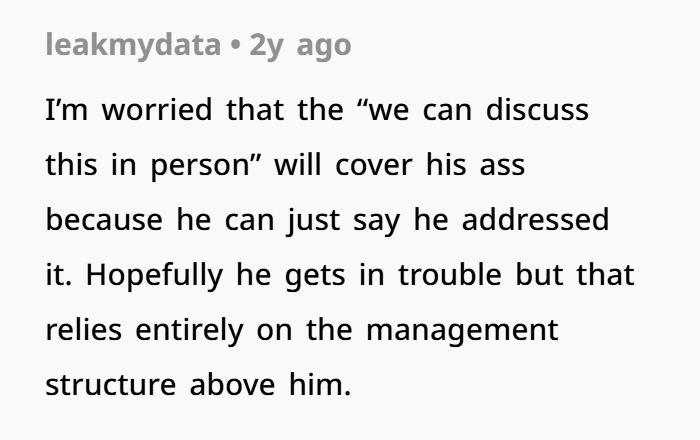
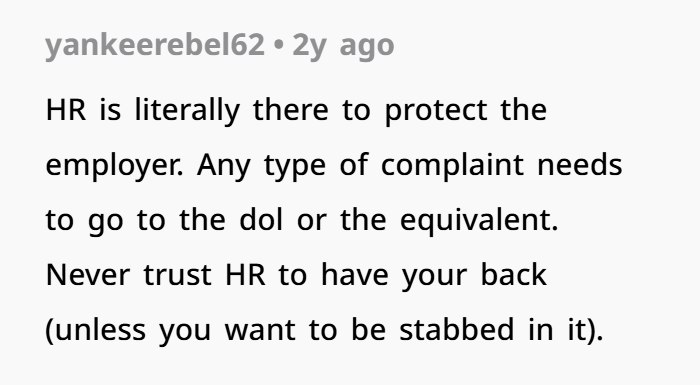
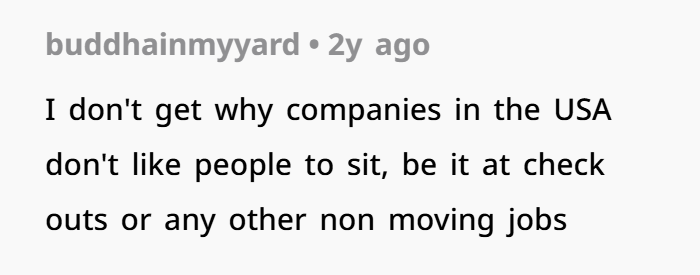
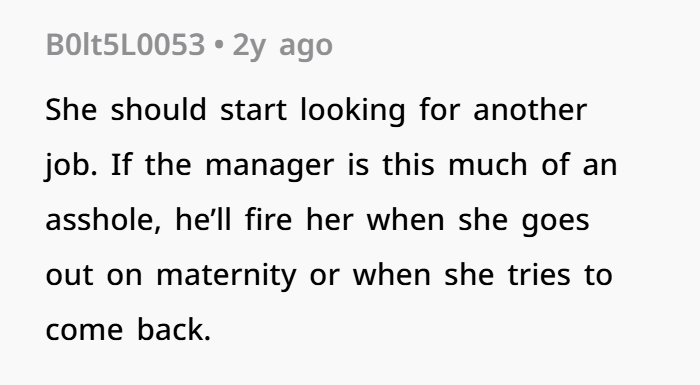
Readers were appalled by the manager’s behavior and quickly rallied around the employee, offering both validation and practical advice.