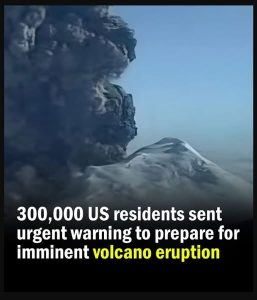
Mount Spurr, a towering 11,070-foot stratovolcano just west of Anchorage, Alaska, is rumbling back to life after decades of dormancy, prompting renewed fears of a potential eruption that could impact over 300,000 residents.
According to the Alaska Volcano Observatory, more than 3,400 small earthquakes have been recorded beneath the volcano in the past year alone. This spike in seismic activity is a strong sign that magma may be on the move beneath the surface.
Mount Spurr last erupted in 1992, spewing massive ash clouds that blanketed Anchorage, disrupted air travel, and caused respiratory problems for locals. Now, with similar warning signs emerging, residents are bracing for a possible repeat.
People in the area are stocking up on masks, goggles, and emergency kits, while scientists continue to closely monitor ground shaking, gas emissions, and changes to the volcano’s surface. Volcanic ash isn’t just a nuisance, it can pose serious health risks, especially to those with asthma or other respiratory issues. Officials are urging residents to stay indoors during any ashfall and to use air filters if necessary.
Strong winds in the region can carry ash directly toward Anchorage, increasing the potential impact on the city’s air quality and infrastructure. Emergency management teams are actively updating preparedness plans and sharing crucial safety tips with the public.
Though the situation is serious, Alaskans are staying calm and ready. Past eruptions have offered valuable insights, and experts are using that knowledge to help predict what might happen next. Mount Spurr’s renewed activity serves as a powerful reminder that even long-silent volcanoes can roar back to life, and that preparation is key to staying safe.