
Do you struggle to sit for more than 30 minutes before your lower back, hips, or glutes start burning with pain? If everyday activities like commuting, long meetings, watching movies, or even kayaking have turned into exercises in discomfort, you may be experiencing sciatic nerve pain. Often, the culprit is a tight piriformis muscle. Thankfully, with some simple and effective stretches, you can find real relief almost anywhere.
What Is the Sciatic Nerve?
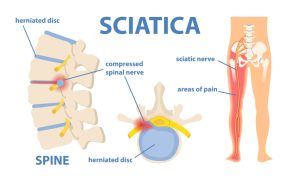
The sciatic nerve is the largest and longest nerve in the human body, running from your lower back down through your hips, buttocks, and legs. Sciatica occurs when this nerve becomes compressed or irritated, leading to sharp or radiating pain, numbness, and discomfort that can range from mild to debilitating. Causes include herniated discs, spinal stenosis, injuries, and a condition called piriformis syndrome.
Understanding the Piriformis Muscle
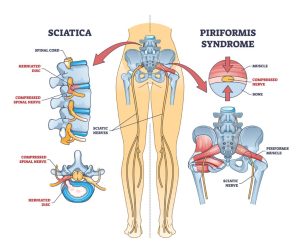
The piriformis muscle sits deep in the buttock, running from the lower spine to the top of the thighbone. When this muscle becomes tight or inflamed, it can press against the sciatic nerve, causing piriformis syndrome. This condition can result in pain, tingling, and numbness radiating from your lower back down your legs. Regular stretching, physical therapy, and lifestyle changes can help manage and relieve this condition.
Effective Piriformis Stretches for Sciatic Pain Relief

Here are several stretches to help relax the piriformis muscle, reduce sciatic pain, and improve mobility:
1. Seated Glute Stretch

Sit in a chair, place one ankle on the opposite knee, and gently lean forward to stretch the glutes. To deepen the stretch, gently press your knee downward. Alternate applying pressure with your hand and resisting with your leg for five seconds each to activate the muscles.
2. Sitting Spinal Twist

Sit with your legs extended. Cross one leg over the other, placing your foot beside your opposite knee. Twist your torso toward the bent leg, using your arm to hug the knee and stretch the spine. This stretch relieves spinal and sciatic nerve pressure.
3. Figure 4 Stretch (Lying Down)

Lie on your back, cross one ankle over the opposite thigh to form a ‘4’ shape. Pull your legs toward your chest while gently pushing the crossed knee away. This opens up the hips and targets the piriformis.
4. Knee to Opposite Shoulder Stretch

Lie on your back, pull one knee toward your chest, then angle it across your body toward the opposite shoulder. This stretch relieves tension in the glutes and piriformis.
5. Standing Hamstring Stretch

Place one heel on a chair or step. With a straight back, lean forward from the hips, leading with your chest. This stretch helps loosen the hamstrings, which can indirectly ease sciatic pain.
6. Standing Piriformis Stretch

Stand and cross one ankle over the opposite knee into a ‘4’ shape. Lower into a squat while keeping your back straight. Use your hand for support on a chair or wall. This targets the piriformis and improves balance.
7. Scissor Hamstring Stretch

Stand in a staggered stance (like an Egyptian walk). With straight legs, bend forward at the hips, keeping your spine long. You can use a towel or band for added reach. This variation helps release tight hamstrings.
8. Forward Pigeon Pose

From a plank, bring one knee forward and angle it across your body. Straighten the opposite leg behind you. Depending on your flexibility, you can stay on your hands, drop to your elbows, or lay fully forward. This deep yoga pose stretches the piriformis and surrounding hip muscles.
Use Caution When Stretching

Always move slowly and with intention. Inhale before entering the stretch, and exhale as you deepen it. Never push into pain. Hold each stretch for 5 to 10 seconds, rest, and repeat a few times. If pain persists or worsens, consult a healthcare professional. A tailored physical therapy plan may be necessary.
The Bottom Line

These piriformis stretches can significantly ease sciatic nerve pain, especially when practiced consistently. However, the key to long-term relief is addressing the root cause of your discomfort. With a better understanding of how your piriformis muscle interacts with the sciatic nerve, and by incorporating mindful movement into your daily routine, you can restore function, relieve pain, and regain your quality of life.