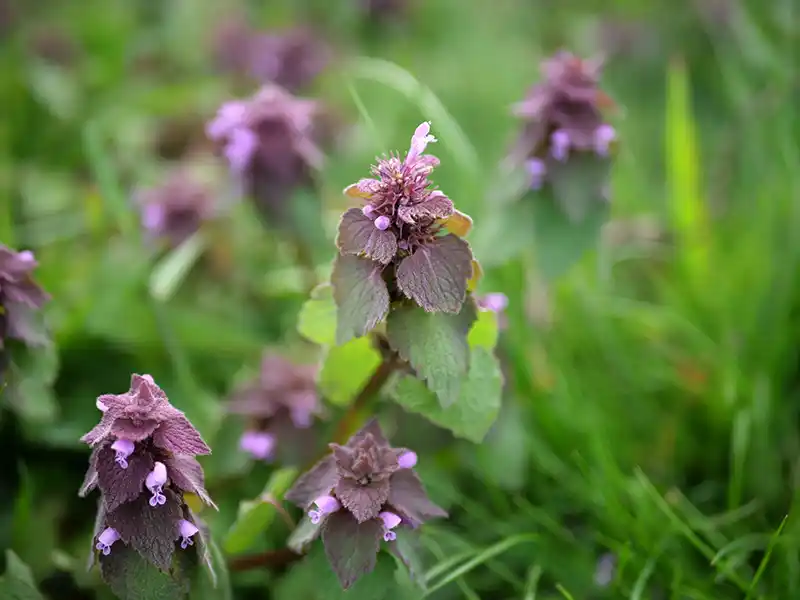
Purple Deadnettle (Lamium purpureum), often dismissed as a weed, is a versatile mint-family plant with purple-tinged leaves and delicate flowers. Native to Europe and Asia but now widespread, it thrives in gardens, fields, and roadsides. Despite its humble appearance, it offers medicinal, culinary, and ecological benefits.
This article explores Purple Deadnettle’s remarkable benefits and traditional uses, along with safe ways to incorporate it into daily life. Discover how this humble plant can enhance wellness, nutrition, and even your garden.
30 Benefits of Purple Deadnettle
Often mistaken for a weed, Purple Deadnettle is a powerhouse of health and practical uses. Here are 30 benefits that make this plant extraordinary:
Medicinal & Health Benefits
- Rich in antioxidants – Fights free radicals and supports cellular health.
- Anti-inflammatory properties – Helps reduce swelling and joint pain.
- Natural antihistamine – Eases allergy symptoms like sneezing and congestion.
- Respiratory relief – Soothes coughs and colds (used in traditional teas).
- Wound healing – Applied topically to minor cuts and scrapes.
- Diuretic effects – Promotes detoxification by flushing excess fluids.
- Supports digestion – Mildly aids in relieving bloating and indigestion.
- Immune-boosting – Contains vitamins A, C, and iron.
- Antibacterial properties – Helps fight minor infections.
- Menstrual cramp relief – Traditionally used to ease discomfort.
- Skin soother – Calms irritation, eczema, and rashes.
- Mild laxative effect – Supports gentle digestion relief.
- Blood-purifying – Used in folk medicine to cleanse the blood.
- Anti-itch remedy – Crushed leaves relieve bug bites and stings.
- Supports oral health – Chewing leaves may help gum irritation.
Culinary Uses
- Edible leaves & flowers – Adds a mild, earthy flavor to salads.
- Nutrient-rich green – High in vitamins, minerals, and chlorophyll.
- Herbal tea – Steeped for a soothing, slightly floral infusion.
- Soup & stew addition – Enhances broths with nutrients.
- Wild pesto ingredient – Blended with nuts and oil for a unique twist.
Gardening & Ecological Benefits
- Early pollinator food – Provides nectar for bees in early spring.
- Ground cover – Prevents soil erosion with its spreading growth.
- Weed suppressor – Competes with invasive weeds naturally.
- Compost enhancer – Adds nutrients when decomposed.
- Drought-resistant – Thrives in poor soil with minimal care.
Practical & Household Uses
- Natural dye – Yields soft green or yellow hues for fabrics.
- Livestock forage – Safe for chickens, rabbits, and goats.
- Bee-friendly plant – Supports biodiversity in gardens.
- Soil indicator – Thrives in nitrogen-rich soil, helping gardeners assess conditions.
- Aesthetic appeal – Adds a splash of purple to wildflower gardens.
Homemade Uses of Purple Deadnettle
- Allergy-Relief Tea
Steep fresh or dried leaves in hot water for 5-10 minutes to make a soothing tea that helps with seasonal allergies and respiratory issues. - Nutritious Spring Green
Add young leaves to salads, soups, or omelets for a vitamin-rich boost (they’re packed with vitamins A, C, and iron). - Healing Skin Salve
Infuse leaves in olive oil for 2-3 weeks, then mix with beeswax to create a soothing balm for minor cuts and skin irritations. - Natural Plant Fertilizer
Soak leaves in water for a few days to make “weed tea” – a nitrogen-rich liquid fertilizer for your garden plants. - Quick Poultice for Bug Bites
Crush fresh leaves and apply directly to insect bites or stings to reduce itching and inflammation.
How to Prepare and Use Purple Deadnettle
- Harvesting:Harvest leaves, flowers, and stems only from uncontaminated, chemical-free locations.
- Drying:Spread harvested plant parts in a shaded, well-ventilated area to dry naturally.
- Storage:Keep dried plant material fresh by storing in an airtight container away from light and heat.
- Usage:Enjoy dried purple deadnettle in herbal teas, healing salves, or nutritious recipes. 🌿
A Critical Warning: Identifying Purple Deadnettle Correctly
Always verify Purple Deadnettle’s identity before use, as it resembles similar plants like henbit and stinging nettle. While these look-alikes aren’t toxic, their uses differ significantly. Proper identification ensures you reap Purple Deadnettle’s unique benefits safely.
Key identifying features of Purple Deadnettle include:
- Leaves:Purple-tinged heart-shaped leaves crown its stem.
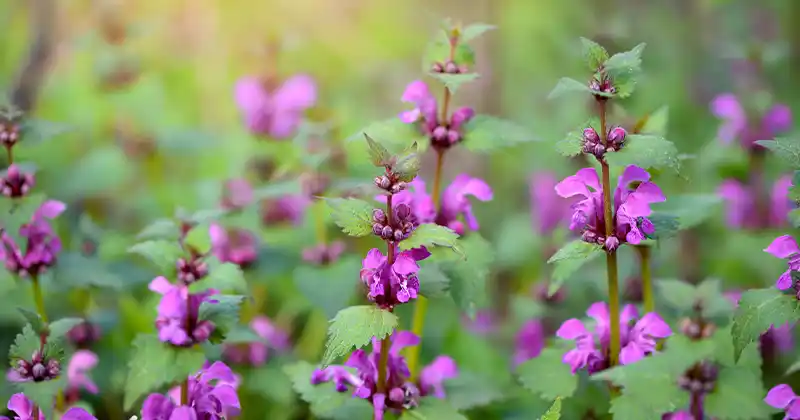
- Flowers:Delicate pink-purple trumpet flowers cluster near leaf joints.
- Stem:Square stems reveal its mint family heritage.
- Texture:Velvety leaves won’t sting like true nettles.
Conclusion and Disclaimer
Purple Deadnettle offers remarkable health and ecological benefits, perfect for teas, poultices, or cooking. While its versatility makes it a valuable natural remedy, always consult an expert before use and ensure proper identification. Enjoy its gifts responsibly—safety and knowledge come first! 🌿