
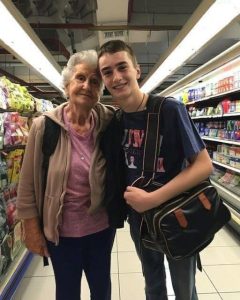
The grocery store was packed, the fluorescent lights humming like a nervous heartbeat. At 72, I suddenly felt small. The cold spring rain had seeped into my bones, flaring up my arthritis. Every step between aisles felt heavier than the last. But I pushed through, collecting the week’s essentials: milk, bread, eggs, a few cans of soup. Nothing extravagant, just enough to get by.
At the checkout, I reached into my purse. And froze.
No wallet.
A hollow panic bloomed in my chest. Had I left it at home? Had it been stolen? I couldn’t remember. My hands trembled. I felt the weight of everyone behind me, the cashier’s gentle patience straining behind a practiced smile.
“I’m so sorry,” I murmured. “I’ll have to come back later.”
I began to gather my things, cheeks burning with embarrassment, when a quiet voice spoke behind me.
“I’ll pay for it.”
I turned. A boy, no older than fifteen, stood holding out a crumpled twenty-dollar bill. He wore a hoodie two sizes too big, jeans worn at the knees, and a calm, unwavering expression.
“Oh no, I couldn’t,” I stammered.
He shook his head. “Please. My grandma says doing good brings good back. It’s how we get by.”
There was no pity in his voice, only kindness. The cashier hesitated, then started ringing the items again. I blinked back tears.
“Thank you, son. What’s your name?”
“Mateo,” he said, carefully counting out his bills.
“I’m Eleanor,” I replied. “How can I repay you?”
“Just pay it forward,” he smiled. “That’s payment enough.”
I watched him leave, his stride sure, even if his shoes had seen better days. Something in his dignity stayed with me.
The next morning, I baked a batch of chocolate chip cookies and tucked fifty dollars into a small envelope. I’d seen him heading toward the apartments on Cedar Street. After a bit of door-to-door guessing, I knocked on 3B.
A kind woman with salt-and-pepper hair opened the door.
“Yes?”
“I met your grandson yesterday, Mateo.”
Her eyes lit up. “What did he do this time? Something good, I hope?”
I told her the story. She invited me in for coffee.
Their apartment was small but neat, the kind of place where love fills in the cracks money can’t. Crocheted blankets, framed family photos, the smell of something warm lingering in the air.
“That’s Mateo for you,” she said, dabbing her eyes. “He gives even when he doesn’t have enough for himself.”
When Mateo came home from school, I gave him the cookies and the envelope. His eyes widened.
“I can’t, ”
“You already did,” I smiled.
His grandmother glanced inside the envelope and gasped. “He’s been saving every penny for a new laptop. His old one barely runs the software for his coding class.”
I left their home that day with a full heart. Mateo had given me more than groceries, he gave me hope. In a world that sometimes feels too cold, too rushed, too selfish, he reminded me that quiet goodness still walks among us. Sometimes in a hoodie and scuffed shoes. Sometimes with the heart of a hero.

