
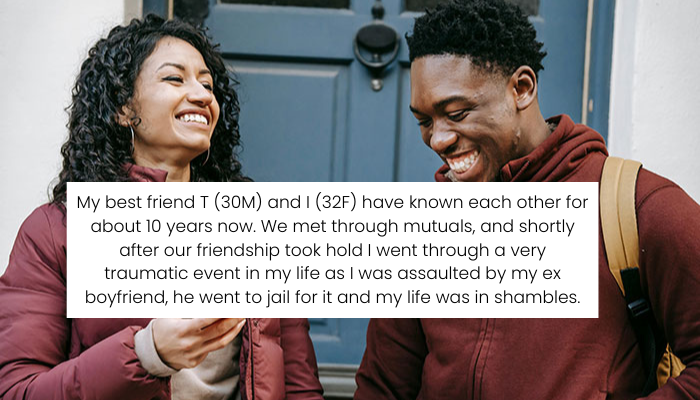
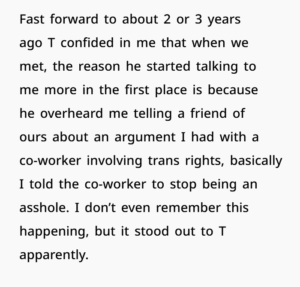
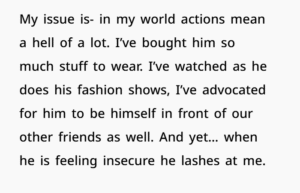
A decade-long friendship between a 32-year-old woman and her best friend, T, a 30-year-old man, has recently come under strain. Once deeply connected through shared experiences and mutual support, their relationship began to unravel after T disclosed his interest in cross-dressing. Initially, the woman responded with empathy and acceptance supporting him emotionally, advocating for him among their peers, and even helping him explore his style.
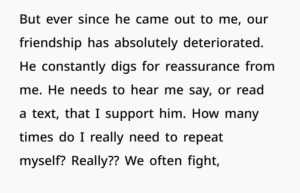
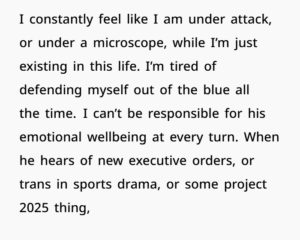
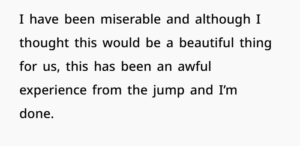
But over time, the dynamics shifted. T’s increasing need for reassurance and affirmation around his identity became overwhelming. Despite her continued efforts to stand by him, the woman found herself on the receiving end of emotional outbursts and unfounded accusations. Her support, rather than being met with gratitude or mutual care, often left her feeling drained, attacked, and misunderstood.
This deterioration reflects a deeper truth about the emotional labor that can arise when personal identity struggles intersect with intimate relationships. While T navigates the complexities of self-expression in a politically fraught environment for the LGBTQ+ community, the woman is forced to confront the emotional cost of being a constant source of support especially when that support is not reciprocated or bounded by mutual respect.
Coming out can profoundly reshape a relationship. For some, it brings deeper connection and understanding. For others, it reveals the imbalance in emotional labor and the need to reevaluate the roles we play in each other’s lives.

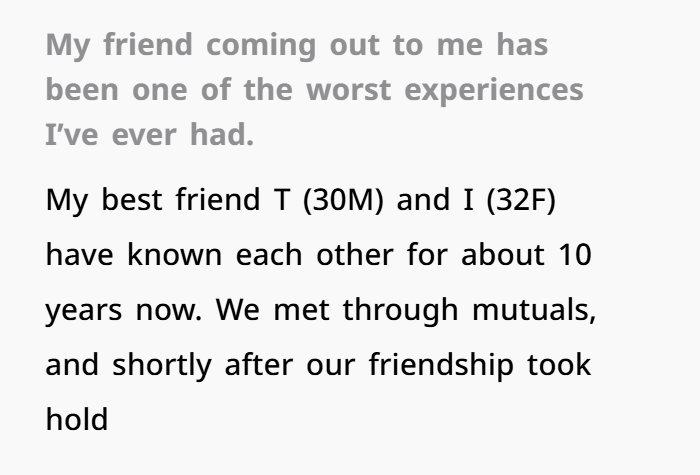
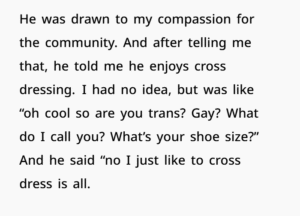
A woman’s longtime friend shared that he likes to dress in women’s clothing, but made it clear he doesn’t identify as gay or trans, he just feels comfortable expressing himself that way.







Understanding Emotional Labor in Friendships
First introduced by sociologist Arlie Hochschild, the concept of emotional labor describes the effort involved in managing emotions to meet the expectations of a particular role. While it’s often associated with professional settings, emotional labor also plays a significant role in personal relationships. In friendships, this can mean constantly offering support, reassurance, or stability sometimes at the expense of one’s own emotional well-being.
The Emotional Weight of Friendship: When Support Turns into Strain
In the woman’s friendship with T, emotional labor takes the form of her ongoing efforts to reassure and validate his identity. Though she has shown consistent and genuine support standing by him, defending him among peers, and helping him navigate his self-expression T’s repeated need for affirmation has placed a significant emotional burden on her. Over time, this imbalance can lead to emotional exhaustion, resentment, and a feeling of being overwhelmed, especially when her efforts are not acknowledged or reciprocated.
The Impact of Identity Struggles on Relationships
T’s exploration of his identity through cross-dressing is a deeply personal journey, often accompanied by inner conflict. In a society that continues to stigmatize non-conforming gender expressions, individuals like T may experience shame, confusion, and a heightened dependence on those closest to them for validation and emotional grounding.
However, when one person’s identity journey dominates the emotional landscape of a friendship, the dynamic can become one-sided. The supporter may feel that their own emotional needs and boundaries are being overlooked. Without balance, even the most well-intentioned friendship can begin to erode.
It’s crucial for those exploring their identities to seek professional guidance, not as a rejection of friendship, but as a way to manage internal struggles without overburdening others. Therapy provides a structured, supportive environment for this kind of growth and reflection.
The Importance of Boundaries
Healthy relationships require boundaries especially when one party is facing significant emotional challenges. Boundaries aren’t about withholding care; they’re about ensuring mutual respect and sustainability in the relationship.
In this case, the woman made efforts to express her emotional limits and gently encouraged T to consider therapy. Despite this, his continued emotional volatility and disregard for her boundaries have further strained their bond.
The Role of Therapy and Support Networks
Mental health professionals especially those experienced in LGBTQ+ issues can offer vital support for individuals like T. Therapy helps people process their emotions, develop healthy coping mechanisms, and explore their identities in a safe, structured space.
In addition to therapy, community-based support such as online forums or local LGBTQ+ groups can provide a sense of belonging and shared understanding. These resources help reduce the emotional weight placed on a single individual and foster a broader, more sustainable support system.
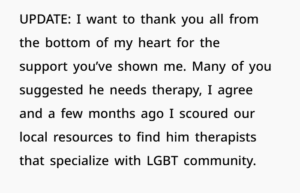
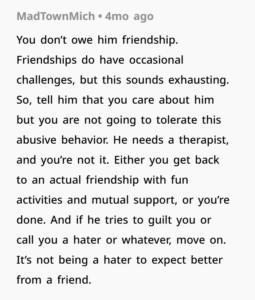
In fact, when the woman sought advice online about her situation, many people strongly urged that T seek therapy, noting that his behavior suggested deeper emotional struggles that should be addressed by a professional.
Friendship Under Pressure: The Influence of Social and Political Climates
The current political climate can intensify the emotional challenges faced by LGBTQ+ individuals. Rising anti-LGBTQ+ rhetoric, legislation, and societal backlash can amplify feelings of fear and vulnerability. As a result, those closest to them like friends or family may unintentionally become emotional stand-ins for systemic support that simply doesn’t exist.
It’s important for both parties to acknowledge these external pressures and to lean on a network of resources rather than placing the emotional weight of the world on one friendship.
Conclusion
Friendship, at its best, is a space of mutual care, growth, and understanding. But even the strongest bonds can fracture when emotional labor becomes one-sided and boundaries are ignored. For those navigating identity and expression, seeking professional and community support is not a sign of weakness it’s a crucial step toward healthier relationships, both with others and with oneself.



The woman’s experience with her friend T highlights the nuanced challenges of supporting someone through personal identity exploration. While empathy and compassion are vital, it’s just as important to acknowledge and honor one’s own emotional boundaries. Maintaining healthy friendships during periods of personal transformation requires clear communication, mutual respect, and a willingness to encourage professional support when needed.

