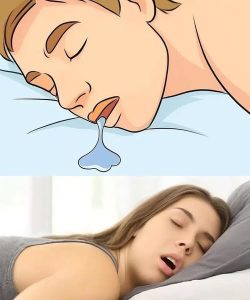
Drooling during sleep is something many people experience. Most of the time, it’s perfectly normal. However, in some cases, it could be linked to health issues or sleep habits. Here, we’ll explore the main reasons why drooling happens and when it might signal a bigger problem.
Common Causes of Drooling at Night
Muscle Relaxation
During deep sleep, especially REM sleep, the body’s muscles relax, including those around the mouth and jaw. This relaxation can cause the mouth to open slightly, allowing saliva to escape instead of being swallowed.
Sleeping Position
Sleeping on your stomach or side makes it easier for saliva to flow out due to gravity. People who sleep on their backs tend to swallow saliva more easily, which reduces drooling.
Nasal Congestion
If your nose is blocked from allergies, colds, or sinus issues, you breathe through your mouth more often. This can cause saliva to flow uncontrollably.
Excess Saliva Production
Some people naturally produce more saliva, a condition called hypersalivation. This can happen due to oral infections, swollen tonsils, or reactions to certain foods and medications.
Gastroesophageal Reflux Disease (GERD)
Acid reflux can irritate the throat and trigger extra saliva production. People with reflux may notice more drooling at night along with heartburn.
Neurological Disorders
Conditions like Parkinson’s disease, cerebral palsy, or stroke can affect muscle control in the face, making swallowing difficult and causing excessive drooling.
Medication Use
Certain medications, including sedatives, antipsychotics, and some antibiotics, can increase saliva production or relax mouth muscles, leading to drooling during sleep.
When Should You Be Concerned?
If drooling is frequent, excessive, or comes with other symptoms like trouble swallowing, breathing issues, or loud snoring, it’s best to see a doctor. These signs could point to sleep apnea or other health problems needing treatment.
Tips to Reduce Nighttime Drooling
Sleep on your back to help saliva stay down
Treat nasal congestion with nasal rinses or antihistamines
Keep good oral hygiene to avoid infections
Consult a doctor if drooling is severe or persistent
Most of the time, drooling while you sleep is harmless. But if it becomes a problem, figuring out the cause can help you find the right solution.