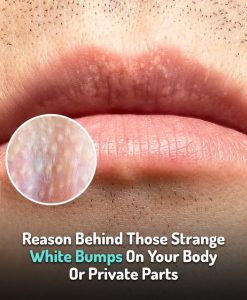
Medical experts have identified the reason behind the small white bumps that may appear on your body or intimate areas.
If you’ve ever noticed tiny white bumps on areas like your lips or genital region, you might have wondered about their cause. These spots can spark concern, with some fearing they indicate skin disorders, infections, or even sexually transmitted diseases. However, these bumps are typically harmless and entirely natural.
Known as Fordyce spots, these bumps were first documented in 1896 by American dermatologist Dr. John Addison Fordyce. They are sebaceous glands, oil-producing structures without hair follicles, making them more noticeable in areas such as the lips’ edges, inner cheeks, or genitals. Found in approximately 80% of people, Fordyce spots are a common and normal feature of human anatomy, unrelated to any illness or contagious condition.
Fordyce spots are named after Dr. John Addison Fordyce.
Fordyce spots can resemble other conditions like molluscum contagiosum, milia, epidermoid cysts, genital warts, or herpes, which may cause worry. The Cleveland Clinic clarifies that Fordyce spots are not linked to sexually transmitted infections (STIs), though genital warts in their early stages can look similar, making it important to differentiate them.
Discovering unfamiliar changes in private areas can be unsettling. If you’re uncertain whether you’re dealing with Fordyce spots or another condition, consulting a healthcare provider is a smart step. They can offer peace of mind and rule out other possibilities.
Fordyce spots are just one of the many natural lumps and bumps on the human body. Unlike infections or other skin issues requiring treatment, these spots are benign and don’t typically need medical intervention. For those self-conscious about their appearance, cosmetic options like laser therapy or topical treatments are available.
Small white bumps may appear on areas like the lips or genitals.
In contrast, other skin conditions, such as lichen sclerosus, may require medical care. According to the Mayo Clinic, lichen sclerosus causes thin, discolored patches, often in the genital or anal areas, and is more common in postmenopausal women. It’s not contagious but can lead to itching, soreness, fragile skin, or painful intercourse. If untreated, it may cause scarring or, rarely, increase the risk of squamous cell carcinoma. Treatment typically involves medicated ointments, and ongoing monitoring may be needed.