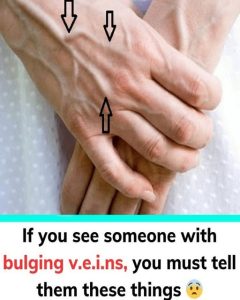
Ever looked down at your hands and noticed those blue, bulging veins standing out more than usual? While they’re often completely harmless, they can sometimes signal something deeper going on with your health. Here’s what you need to know about visible veins, when to be concerned, and what you can do about them.
1. Why Do Blue Veins Appear on the Hands?
In many cases, those prominent veins are simply a result of natural body changes or physical activity. Here are the most common reasons:
- Fair or thin skin: People with light or thin skin tend to have more noticeable veins because there’s less pigment and fat to cover them.
- Low body fat: If you’re very lean, especially in your hands, there’s not much tissue hiding those veins, making them more obvious.
- Age: As you age, your skin loses elasticity and the fat layer under it thins out, making veins more visible.
- Exercise or physical labor: Regular workouts or physical jobs increase blood flow and muscle tone, temporarily pushing veins closer to the skin’s surface.
- Pregnancy: Hormonal changes and increased blood volume during pregnancy can cause veins to become more prominent.
2. When Are Bulging Veins a Medical Concern?
If your hand veins start looking unusually twisted, enlarged, or painful, it could be a sign of a condition called varicose veins, yes, even in the hands.
Signs to watch for:
- Veins appear large, ropey, or zigzagged
- Persistent or throbbing pain in the hands
- A feeling of tightness or tension under the skin
While varicose veins are more common in the legs, they can also occur in the hands. If left untreated, they can lead to more serious issues like blood clots, inflammation, and even heart-related complications such as pulmonary embolism or stroke.
3. How to Treat or Minimize Prominent Veins
If your doctor confirms the veins are due to varicose vein disease, several treatment options are available depending on severity:
Mild Cases:
- Wear medical compression gloves or sleeves
- Maintain a healthy weight and exercise regularly
- Improve circulation with gentle hand movements and stretches
- Adjust your diet to promote vascular health
More Serious Cases:
- Sclerotherapy: A solution is injected to close off the vein
- Laser treatment or radiofrequency therapy: Minimally invasive options that collapse the vein
- Vein removal surgery (Muller or Stripping method): Effective but may not prevent recurrence
These procedures can be effective but are usually reserved for chronic or severe cases with complications.
Bottom line: Most visible veins are normal, especially if you’re fit, thin, or aging. But if they appear suddenly, cause discomfort, or look unusually swollen, don’t ignore them. A quick checkup could give you peace of mind or help catch a vascular issue early.