Wild lettuce (Lactuca virosa), sometimes called “opium lettuce,” has a long history as a natural remedy for pain and tension relief. Despite the nickname, it contains no opiates, its strength lies in a white, milky sap called lactucarium, found in the plant’s stem and leaves. This sap has traditionally been used for its mild sedative and analgesic (pain-relieving) properties.
In this guide, you’ll learn how to identify and harvest wild lettuce sap, explore its common uses and benefits, and understand the important safety precautions to keep in mind.
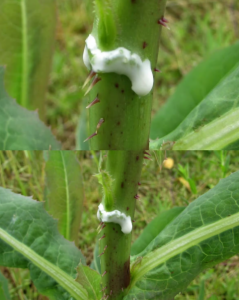
How to Harvest Wild Lettuce Sap
Collecting the sap takes a bit of patience, but the process is simple with the right approach:
1. Find the Right Plant
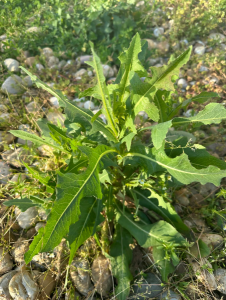
Look in open fields, roadsides, and disturbed soil.
Wild lettuce grows up to 6 feet tall and has tall, spiny leaves with a blue-green tint.
Snap the stem to see if it releases white sap, this confirms it’s the right plant.
2. Extracting the Sap
- Choose mature plants, they produce more lactucarium.
- Cut the stem near the base using a clean, sharp knife.
- Let the sap slowly ooze out and collect it with a spoon, or scrape it onto a clean glass or ceramic surface.
- Allow the sap to dry partially before sealing it in an airtight container for storage.
- For larger amounts, repeat the process across several plants, but always harvest sustainably.
What Is Wild Lettuce Sap Used For?
Traditionally, wild lettuce sap has been used for a range of mild medicinal effects:
Pain Relief – For minor headaches, muscle aches, and general discomfort.
Sleep Aid – Its calming properties may help promote deeper, more restful sleep.
Stress & Anxiety Relief – Acts as a natural relaxant to ease tension and nerves.
Cough Suppressant – Used historically in small doses to help calm persistent coughs.
Gentle Euphoria – Some users report a mild sense of well-being and calm.
How to Use Wild Lettuce Sap
There are a few different ways to prepare and use the sap, depending on your preference:
1. Tincture
- Combine dried sap with alcohol (vodka or brandy) in a glass jar.
- Let it steep for 2–4 weeks, shaking occasionally.
- Strain and store the liquid in a dropper bottle.
- Dosage: Begin with a few drops and increase slowly, as needed.
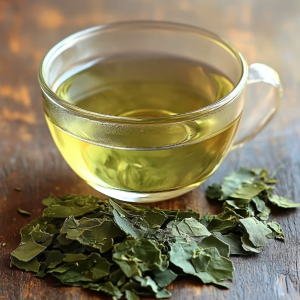
2. Herbal Tea
- Dry the leaves and stems.
- Crush them into smaller pieces.
- Steep 1–2 teaspoons in hot water for 10–15 minutes.
- Drink sparingly to observe how your body responds.
3. Smoking Blend
- Dried wild lettuce leaves can be mixed with other mild herbs.
- Smoke in very small amounts to test tolerance.
- Commonly used by herbalists as a natural calming aid.
Safety First: Important Precautions
Wild lettuce sap is powerful in its own way, but like all herbal remedies, it must be used responsibly:
Avoid Overuse: Large amounts may cause nausea, dizziness, or discomfort.
Who Shouldn’t Use It: Pregnant or breastfeeding women, children, or people with underlying health conditions should avoid it unless guided by a healthcare provider.
Allergies: Some individuals may have a sensitivity, test a small amount first before using more.
Disclaimer: This guide is for informational purposes only and not a substitute for professional medical advice. Use at your own discretion.
Final Thoughts
Wild lettuce sap is a fascinating example of nature’s gentle healing tools. Whether you’re curious about herbal remedies or already well-versed in plant-based wellness, this ancient plant has something to offer. Just remember to start small, stay informed, and always listen to your body.