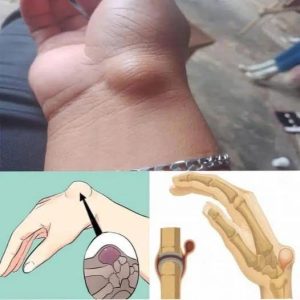
A wrist ganglion, also called a synovial cyst, is a fluid-filled lump that typically forms on the front or back of the wrist. While benign and non-cancerous, these cysts can cause discomfort and sometimes interfere with joint movement.
What Causes a Wrist Ganglion?
Wrist ganglions develop when synovial fluid, the natural lubricant for joints and tendons, collects in a small sac or capsule, forming a lump. The exact cause isn’t always known, but repetitive wrist motion, joint irritation, or injury may play a role.
Common Symptoms:
- A visible, soft lump on the wrist
- Pain or discomfort during wrist movement
- Pressure or numbness if the cyst presses against a nerve
- The size of a ganglion cyst can fluctuate, sometimes growing or shrinking on its own.
Treatment Options:
1. Observation
If the cyst isn’t painful or affecting your wrist function, your doctor may recommend simply monitoring it to see if it resolves on its own.
2. Immobilization
Wearing a splint or wrist brace can help reduce strain and pressure on the area, which may shrink the cyst or prevent it from getting worse.
3. Aspiration
A physician may use a needle to drain the fluid. This procedure is simple and non-surgical, but there’s a chance the cyst may return.
4. Surgical Removal
If the cyst causes ongoing pain or limits mobility, surgery might be recommended. Removing the cyst surgically lowers the risk of it coming back.
If you notice a lump on your wrist or are experiencing discomfort, it’s worth checking in with a healthcare professional for proper diagnosis and treatment guidance.