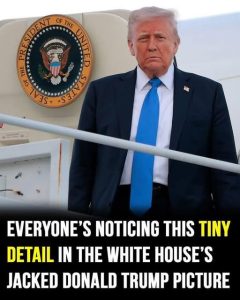
On May 4th, widely celebrated as Star Wars Day thanks to the pun “May the Fourth Be With You,” an eye-catching image of former President Donald J. Trump began circulating online and sparked intense conversation. The AI-generated image, released by the White House, depicted Trump as a hyper-masculine, heroic figure wielding a red lightsaber and surrounded by patriotic imagery: American flags, bald eagles, and a stormy, cinematic backdrop.
The timing and symbolism were anything but accidental. Star Wars Day, embraced by fans around the globe, has evolved into a lighthearted celebration of the franchise. Yet this visual injected political undertones into the mix. In the image, Trump stood as a lone warrior, subtly suggesting a battle of good versus evil, casting his political opponents in the role of the Empire, the main antagonists in the Star Wars universe.
The red lightsaber, in particular, became a lightning rod for debate. In Star Wars lore, red sabers are synonymous with the Sith, figures like Darth Vader and Emperor Palpatine, who are emblematic of tyranny, darkness, and authoritarianism. So why would Trump be portrayed with the weapon of a villain? Was it a messaging blunder, or an intentional symbol? Some interpreted the saber’s color as an homage to the Republican Party’s red branding. Others found the image ironic or even self-defeating, aligning Trump with the very archetype he was supposedly fighting against.
Online reactions were swift and divided. On platforms like X (formerly Twitter), Reddit, and TikTok, the image went viral. Many users mocked it, comparing Trump to Darth Vader or joking about his transformation into a Sith Lord. Memes flooded timelines, some parodying other politicians as Jedi or villains in return. Others, however, embraced the image as a powerful representation of Trump’s outsider persona, someone unafraid to challenge the establishment, even if it meant playing the role of the so-called villain.
Beyond the laughs and critiques, a deeper concern emerged: the role of AI in political messaging. The Trump image wasn’t an isolated case. In recent months, several stylized, AI-generated images of him have appeared online, portraying him in outlandish or godlike ways, from a Pope-like figure to a war hero. These visuals raise serious questions about authenticity, intent, and the blurring lines between fiction and political propaganda.
Experts like Dr. Marissa Kleinfeld, a media ethics professor at Georgetown University, warn that while AI-enhanced visuals can be powerful tools, they also risk misleading audiences. “The danger lies not in the art itself, but in how it’s presented,” she said. “Without transparency, viewers may struggle to distinguish between dramatization and reality.”
This latest image is part of a larger trend where political storytelling is becoming increasingly theatrical. Visual symbolism, once confined to campaign posters and flag backdrops, is now being supercharged by technology. The Trump-Star Wars mashup taps into a shared cultural mythology, turning politics into a sort of digital cosplay where leaders are heroes, villains, or something in between.
Some analysts argue that these images aren’t aimed at winning new supporters but rather at energizing existing ones. The spectacle, the memes, and the viral reach all serve to dominate news cycles and reaffirm tribal loyalties. The red lightsaber may not be a mistake at all, but a signal to Trump’s base that being labeled a “villain” by mainstream media or political opponents is a badge of honor.
Still, not everyone is convinced. Critics pointed out the awkwardness of using a villain’s weapon to paint oneself as a hero. “If you’re comparing the left to the Empire, why make yourself look like a Sith?” one viral post asked.
As AI tools become more accessible, we can expect more of these provocative, hyper-stylized political visuals. Whether seen as satire, storytelling, or strategic messaging, they’re reshaping how we engage with politics, and with truth itself.
In the end, the Trump red lightsaber image did exactly what it was meant to do: it got people talking. It blurred lines, sparked debate, and captured attention. And in today’s media landscape, that alone might be considered a win.