
If entitlement were an Olympic sport, some people would be taking home the gold year after year.
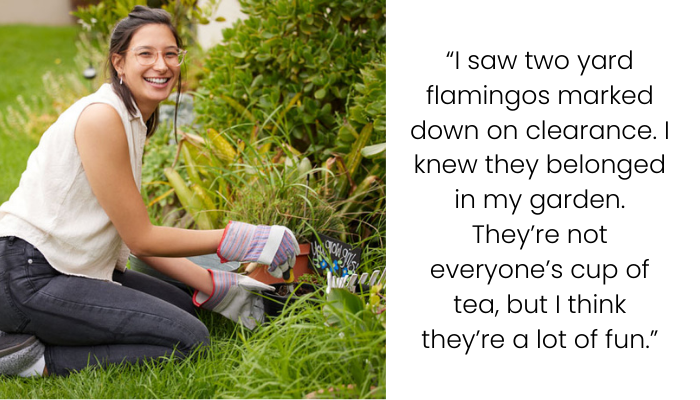
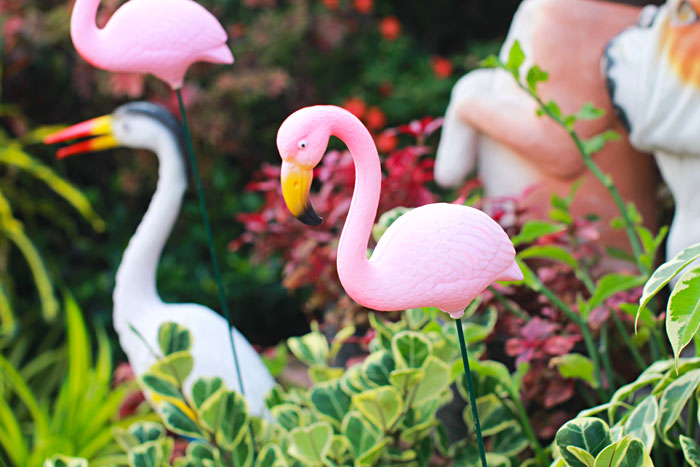
All I did was place two plastic flamingos picked up on clearance on my lawn as a lighthearted touch after putting in weeks of effort to improve my yard. No sooner had I settled back to enjoy the view than a nearby neighbor came storming in with complaints that the flamingos were “gauche” and would drag down property values.
For the record, there are no HOA rules or local ordinances banning lawn ornaments like these. But that didn’t stop this neighbor from snapping photos and posting them in a local Facebook group, which led to a small flurry of pearl-clutching comments from other residents. Even my own mother chimed in with a disapproving remark.
Still, I’m not backing down. The flamingos stay. They make me smile, they hurt no one, and frankly, I refuse to let someone else’s taste dictate what brings me joy in my own yard.

A woman adds a pair of pink flamingos to her yard for a bit of fun only to ruffle feathers when a neighbor demands their removal, calling them an eyesore.
The Flamingo Fiasco: Exploring Property Rights, Personal Taste, and Neighborhood Tensions

Navigating the Legal Line: Personal Property Rights vs. Neighborhood Norms
At the Heart of the Dispute: Property Rights vs. Neighborhood Expectations
This controversy centers on a fundamental aspect of homeownership individual rights over one’s property. In areas without a Homeowners Association (HOA), homeowners generally have wide latitude to personalize their homes and yards, so long as local ordinances are followed. In this case, the absence of an HOA means the homeowner is well within her legal rights to display decorative items like pink flamingos.
The conflict, however, stems from a neighbor’s belief that such lawn décor disrupts the neighborhood’s visual appeal or could negatively impact property values. While aesthetic preferences vary greatly, claims that items like plastic flamingos harm home values lack solid evidence. Real estate professionals frequently stress that factors like maintenance, curb appeal, and neighborhood consistency carry far more weight in determining property worth than individual decorative choices.
The Pink Flamingo: More Than Just Lawn Décor
Though often dismissed as kitschy, the pink flamingo boasts a surprising cultural and historical legacy. First designed in 1957 by artist Don Featherstone, the plastic flamingo quickly became a hallmark of post-war suburbia, symbolizing both accessible art and the era’s booming consumer culture. Over the decades, it has swung between being viewed as tacky and as a cheeky form of self-expression.
In fact, in some communities, the flamingo has taken on a new meaning as a symbol of resistance to conformity. Homeowners have used it to quietly challenge restrictive HOA rules or to celebrate individuality, making it more than mere decoration. It stands as a cultural artifact that reflects broader tensions around identity, uniformity, and personal freedom in shared spaces.
From Lawn Ornaments to Online Outrage
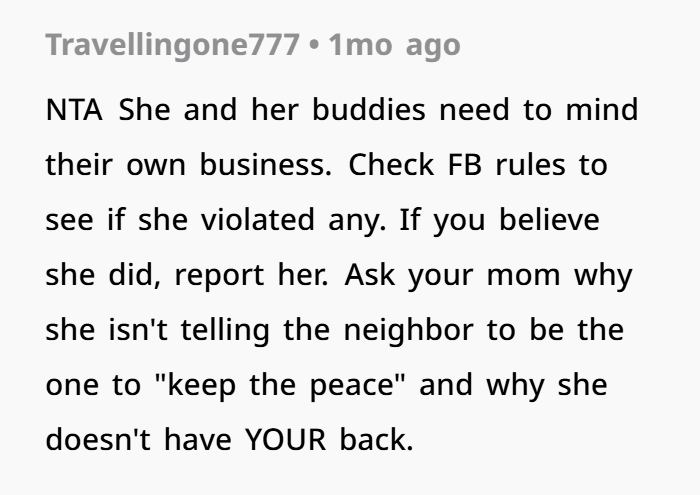
What might have remained a neighborly disagreement took a turn when the critic posted photos to a local Facebook group, triggering a wave of unsolicited opinions and judgment. This public shaming not only escalated the tension but also illustrates how digital platforms can inflame minor disputes, turning them into community-wide flashpoints.
Resolving such conflicts typically requires face-to-face, respectful conversations not online callouts. When neighbors engage with empathy and openness, they’re far more likely to find common ground. In this case, the homeowner’s decision to stand firm and keep the flamingos reflects a clear stance on personal rights and self-expression. Still, long-term neighborhood peace may be better served by encouraging dialogue and mutual understanding about shared spaces and aesthetic expectations.
The Internet Has Spoken: Flamingo Freedom Wins
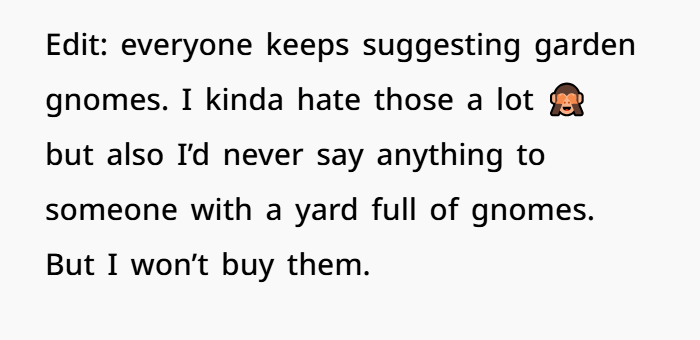
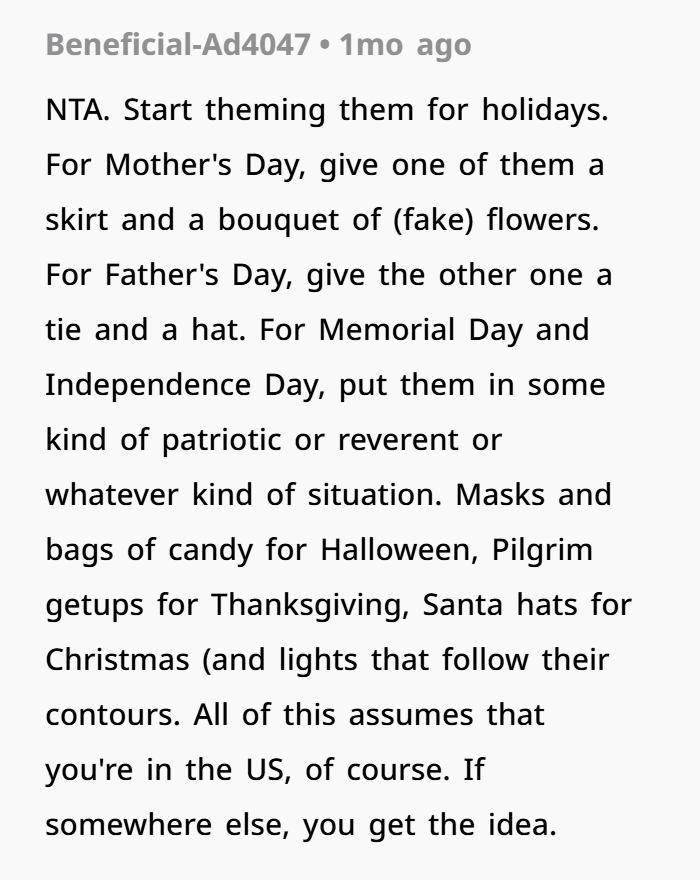
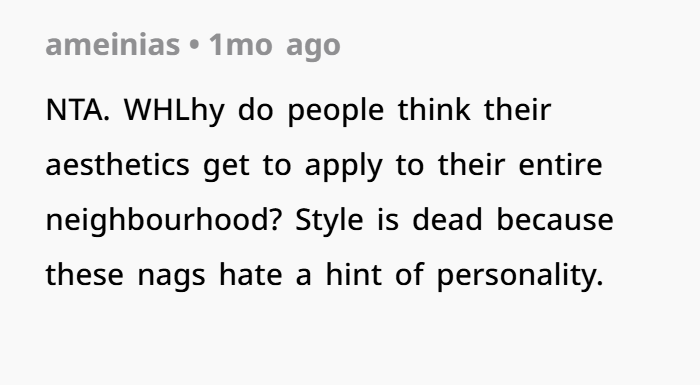
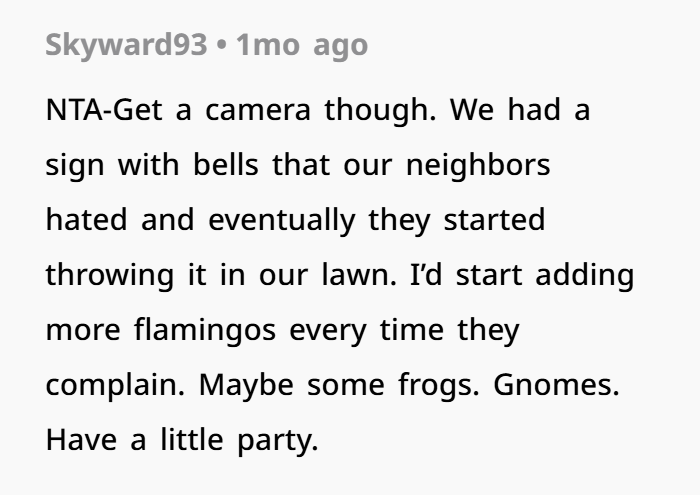
Online, the response has been overwhelmingly supportive of the homeowner. Many users applauded her refusal to cave to petty criticism, with several suggesting she double down and add even more flamingos to her yard. The consensus? She’s not a jerk just someone enjoying her space and her style in peace.


Finding the Balance: Personal Expression vs. Community Harmony
The flamingo debate offers a snapshot of a larger, ongoing conversation about where personal freedom meets collective expectation. Homeowners have every right to customize their spaces but being mindful of shared community aesthetics can go a long way in maintaining neighborly goodwill. Achieving this balance isn’t about conformity; it’s about open communication, mutual respect, and an appreciation for diversity in how people choose to express themselves.
Ultimately, those pink flamingos represent more than just quirky lawn décor. They stand as emblems of individuality, cultural resonance, and the complex, often delicate nature of living together in a shared community.

