
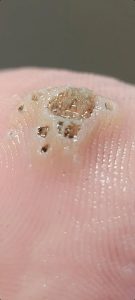
Warts are small skin growths caused by certain strains of the human papillomavirus (HPV). Usually harmless, they can still be annoying or embarrassing, especially when they show up in visible places. Many people look for natural, at-home ways to reduce or remove warts, often turning to traditional remedies passed down through families.
If you’re interested in gentle, natural methods to support your skin and potentially lessen the look of warts, here are some popular home remedies to consider. Keep in mind, results vary depending on the person, wart type, and how consistently you apply treatments. These methods might help, but they don’t replace professional medical advice or treatment.
1. Apple Cider Vinegar (ACV)
Why It’s Used:
ACV contains acetic acid, which may help peel away dead skin cells over time, potentially breaking down the wart’s layers.
How to Use:
- Soak a cotton ball in apple cider vinegar.
- Apply it to the wart.
- Cover with a clean bandage or medical tape.
- Leave it on overnight.
- Remove in the morning and wash the area with mild soap and water.
- Repeat daily.
- Note: ACV can irritate skin or cause a burning feeling. If this happens, dilute it with water or use it less often.
2. Garlic
Why It’s Used:
Garlic has natural antimicrobial and antiviral properties and has long been used in skincare.
How to Use:
- Crush a fresh garlic clove into a paste.
- Apply a small amount on the wart.
- Cover with a bandage.
- Let sit for 1 to 2 hours, then gently rinse off.
- Repeat daily for up to two weeks.
- Caution: Garlic is strong and may irritate sensitive skin. Start with shorter applications and watch for any reactions.
3. Banana Peel
Why It’s Used:
The inside of banana peel has enzymes and antioxidants that may help soften and break down wart tissue.
How to Use:
- Cut a small piece of banana peel.
- Rub the inner side gently on the wart.
- Secure it with a bandage before bed.
- Leave it on overnight and remove in the morning.
- Repeat every night for several weeks.
4. Tea Tree Oil
Why It’s Used:
Known for its antimicrobial and antiseptic properties, tea tree oil is a popular natural remedy for skin issues.
How to Use:
- Apply 1 or 2 drops of pure tea tree oil on the wart.
- Cover with a sterile bandage.
- Repeat twice daily.
- Tip: For sensitive skin, mix tea tree oil with a carrier oil like coconut or olive oil before applying.
5. Aloe Vera Gel
Why It’s Used:
Aloe vera soothes and hydrates skin and may help with healing and reducing inflammation around warts.
How to Use:
- Use fresh aloe vera gel or purchase 100% pure gel.
- Apply directly to the wart.
- Let it absorb or cover with a breathable bandage.
- Reapply several times daily for best results.
6. Duct Tape Method (Duct Tape Occlusion Therapy)
Why It’s Used:
This method is popular and may work by “suffocating” the wart and triggering an immune response.
How to Use:
- Place a small piece of duct tape over the wart.
- Leave it on for 5 to 7 days without removing.
- After removing the tape, soak the wart in warm water.
- Gently file it with a pumice stone or emery board.
- Leave uncovered overnight.
- Repeat the process daily until the wart improves.
Tips for Managing Warts at Home
- Be Consistent: These remedies often take weeks of regular application. Patience is key.
- Practice Good Hygiene: Wash your hands before and after touching warts to avoid spreading the virus.
- Avoid Picking: Scratching or picking can worsen the wart or spread the virus.
- Watch for Changes: If the wart changes color, size, or becomes painful, see a healthcare professional.
- Protect Sensitive Areas: Use extra caution when treating the face, genitals, or broken skin.
When to See a Doctor
Seek medical advice if:
- The wart is painful, bleeding, or infected.
- The wart is on sensitive areas like the face or genitals.
- There’s no improvement after weeks of home treatment.
- You’re unsure whether the growth is a wart.
Final Thoughts
Natural remedies for warts are common for those wanting to avoid harsh chemicals or medical procedures. While some methods have limited scientific proof, many choose them for their simplicity and availability.
If you try these remedies, be careful, watch how your skin reacts, and consult a healthcare provider if you have concerns or discomfort. Prioritize safety and informed choices in any skincare routine.

