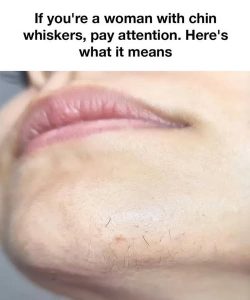
Chin whiskers might seem like a minor beauty issue, but for many women, they’re a big deal. What’s more surprising? They’re way more common than you’d think. These little facial hairs can vary in texture and color, some are barely noticeable, while others are thick and dark. Some women just find a few here and there, while others deal with more persistent growth. The important thing to know is that chin whiskers are totally normal, and understanding the causes behind them can make managing them a lot easier.
Why Do Chin Whiskers Happen?
Like all hair on the body, facial hair goes through a natural growth cycle with three phases: growth (anagen), transition (catagen), and rest (telogen). Hormones, especially androgens like testosterone, are the main drivers of this process. Although women produce androgens in small amounts, a hormonal imbalance or heightened sensitivity to them can trigger noticeable facial hair. Genetics also play a role, some people are just predisposed to grow more hair in certain areas.
Hormones: The Main Culprit
One of the top reasons women get chin whiskers is hormonal fluctuation. Conditions like polycystic ovary syndrome (PCOS) can lead to higher levels of androgens, causing hair to grow in places more common for men. Menopause is another common trigger, dropping estrogen levels can throw off your hormone balance, leading to increased facial hair. Even certain medications, like birth control or hormone therapies, can change how your body grows hair.
Is It In Your Genes?
Yes, absolutely. If the women in your family have chin whiskers, there’s a good chance you’ll have them too. Your ethnic background can also make a difference, women of Middle Eastern, South Asian, and Mediterranean descent are more likely to have thicker or more noticeable facial hair. Knowing your family history can help you understand what’s “normal” for you.
When It’s a Medical Issue
Chin whiskers aren’t always just cosmetic. Sometimes they’re a sign of something more serious. PCOS is the most common condition tied to excessive facial hair, but others like adrenal gland disorders, Cushing’s syndrome, hypothyroidism, and certain tumors can also lead to hair growth changes. If you’ve suddenly started noticing more hair than usual, especially alongside symptoms like irregular periods or weight gain, it’s smart to check in with your doctor.
Top 10 Ways Chin Whiskers Affect Women
1. Feeling self-conscious
2. Increased anxiety over appearance
3. Time and money spent on hair removal
4. Skin irritation from plucking or waxing
5. Avoiding social events or photos
6. Negative body image
7. Constantly checking or obsessing over the hair
8. Skipping certain outfits or hairstyles
9. Worrying it’s a sign of a health issue
10. Feeling depressed or isolated
The Mental Toll Is Real
Let’s be honest, chin whiskers can do a number on your confidence. Many women feel embarrassed or anxious, even avoiding social situations out of fear someone will notice. Society’s obsession with hairless skin doesn’t help, often making women feel “unfeminine” or unattractive just for having something that’s totally normal. The pressure to fit beauty standards can be overwhelming, but support and self-compassion go a long way.
Society’s Role in the Stigma
Cultural expectations play a huge part in how we see facial hair. In many cultures, smooth, flawless skin is the ideal, so when chin hair shows up, it can feel like a failure to meet that standard. Media and beauty industries reinforce this message constantly. Thankfully, body positivity movements are slowly shifting the conversation toward accepting natural beauty, including facial hair.
What You Can Do About It
There are plenty of ways to manage chin whiskers, depending on your needs and comfort level:
Temporary fixes: Tweezing, waxing, shaving, and depilatory creams
Long-term solutions: Laser hair removal, electrolysis
Medical options: Prescription creams like eflornithine, which slow hair growth
Choosing a method that works for your skin type and lifestyle is key. And if you have sensitive skin or ongoing irritation, it’s best to consult with a dermatologist.
When to See a Doctor
If you notice a sudden spike in hair growth, especially alongside other symptoms like acne or missed periods, don’t ignore it. A doctor can check for underlying conditions through blood work or imaging tests. Catching hormonal or endocrine issues early can make a huge difference in treatment and quality of life.
Natural Remedies and Healthy Habits
Small lifestyle changes can also help. For example:
Weight management can help regulate hormones, especially in PCOS
Healthy eating with lots of whole foods supports overall balance
Spearmint tea may lower androgen levels
Stress management with practices like yoga and meditation can also reduce hormone-related hair growth
Final Thoughts: You’re Not Alone
Chin whiskers aren’t something to be ashamed of, they’re just a part of life for many women. Whether you choose to remove them or not, what matters is that you feel good in your own skin. With the right information and support, you can decide what works best for you. And remember, you’re far from alone, more women are opening up about this every day, and that’s something worth celebrating.