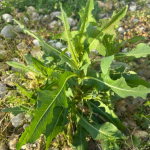
Nettle might not look like much, with its sting and wild nature, but it’s one of the most powerful tools you can add to your gardening routine. Packed with nutrients and protective properties, nettle works double-duty as both a natural fertilizer and a non-toxic insecticide. In this guide, you’ll learn why nettle is so valuable, how to make your own fertilizer and bug spray from it, and how to use both to boost your garden’s health.
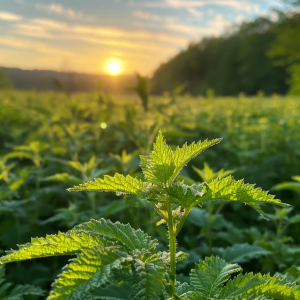
Why Nettle Fertilizer Matters
Known as “nettle tea” or liquid fertilizer, this organic brew is a game-changer for any gardener looking to supercharge plant growth naturally.
1. It’s Nutrient-Dense
Nettles are rich in nitrogen, potassium, phosphorus, and trace minerals, all essential for healthy plant development. These nutrients help plants grow stronger, faster, and more resilient.
2. Improves Soil Quality
Nettle fertilizer boosts the organic matter in your soil, improving its structure, water retention, and nutrient-holding capacity. Healthy soil equals thriving plants.
3. Natural Pest Repellent
The strong smell of fermented nettle can naturally deter pests, reducing the need for synthetic insecticides and helping maintain a balanced garden ecosystem.
4. Budget-Friendly and Eco-Conscious
You can make nettle fertilizer for free using plants that often grow wild, saving money and reducing your reliance on store-bought fertilizers.
How to Make Nettle Fertilizer
It’s simple, safe, and effective. Here’s what to do:
You’ll Need:
- Fresh nettle leaves (wear gloves!)
- A large container or bucket
- Water
Steps:
- Fill your container with about 10 parts water to 1 part nettle leaves.
- Submerge the nettles completely.
- Let the mixture steep for 2–3 weeks, stirring every few days.
- Once it’s ready (it will smell strong!), strain out the leaves.
- Dilute the liquid (1 part nettle tea to 10 parts water) before applying to your plants.
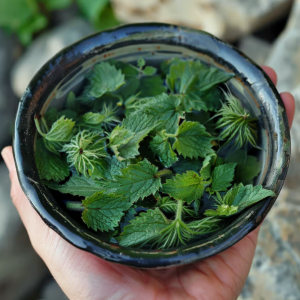
Why Nettle Makes a Great Insecticide
Beyond feeding your garden, nettles can also protect it.
1. Natural Bug Repellent
Nettle contains compounds that naturally repel many garden pests, without harming your plants or the environment.
2. Safe for Beneficial Insects
Unlike chemical sprays, nettle insecticide won’t hurt bees, ladybugs, or other helpful critters that your garden relies on.
3. Eco-Friendly and Sustainable
It’s biodegradable, safe for you and your pets, and contributes to a healthier, chemical-free garden space.
How to Make Nettle Insecticide
This is nearly identical to the fertilizer recipe but used a bit differently.
You’ll Need:
- Fresh nettle leaves
- A large container
- Water
Steps:
- Combine nettles and water (same 1:10 ratio).
- Let the mixture sit for 2–3 weeks, stirring occasionally.
- Strain and pour into a spray bottle.
- Dilute if needed and spray directly on infested plants.
Final Thoughts
Nettle is more than a wild weed, it’s a powerful, all-natural ally in the garden. Whether you’re feeding your plants with nutrient-rich nettle tea or defending them with homemade insecticide, you’re choosing a solution that’s effective, eco-friendly, and easy on your wallet. With just a bit of effort, this stinging plant can help you grow a healthier, more resilient, and chemical-free garden. Let nettle do the heavy lifting, and watch your garden thrive.