
Wild lettuce (Lactuca virosa), sometimes called “opium lettuce,” has a long history as a natural remedy for pain and stress. While it doesn’t actually contain opiates, the milky sap it produces, known as lactucarium, has been used for centuries for its calming and pain-relieving effects.
In this guide, you’ll learn how to identify and collect wild lettuce sap, what it’s traditionally used for, and how to use it responsibly and effectively. Whether you’re into herbal medicine or just curious about natural alternatives, here’s everything you need to know.
What Is Wild Lettuce Sap?
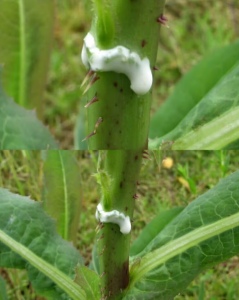
The white, milky substance that oozes from the stems and leaves of wild lettuce is called lactucarium. This is where the plant’s strongest properties are found. While it’s not psychoactive or addictive, it’s been valued for its mild sedative and analgesic (pain-relieving) qualities.
How to Identify and Collect Wild Lettuce Sap
1. Spotting the Right Plant
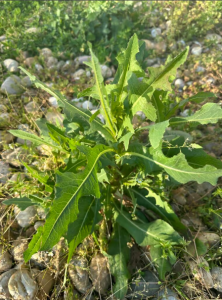
- Grows in open fields, along roadsides, or disturbed areas
- Tall (up to 6 feet), with jagged blue-green leaves
- Break the stem and you’ll see the signature white sap
2. Harvesting the Sap Safely
- Choose mature plants, older ones have more sap
- Cut the stem near the base with a clean knife
- Let the sap ooze out and collect it using a spoon or by scraping it onto a non-porous surface
- Let it dry a bit, then store in a sealed container
- Note: Be mindful not to overharvest wild patches, leave plenty for nature and others.
Traditional Uses of Wild Lettuce Sap
People have used wild lettuce sap for centuries for a variety of mild health issues:
- Pain Relief: For headaches, joint aches, and general soreness
- Sleep Support: Helps calm the body and may improve sleep
- Stress and Anxiety: Its sedative effects can ease tension
- Cough Suppression: Traditionally used in small doses for persistent coughs
- Mild Euphoria: Some report a gentle, calming buzz, not a high, just a deep sense of calm
How to Use Wild Lettuce Sap

There are a few ways to tap into its potential:
1. Tincture
- Combine dried sap with vodka or brandy in a small jar
- Let it sit for 2–4 weeks, shaking occasionally
- Strain and store in a dropper bottle
- Start with just a few drops to assess your response
2. Herbal Tea
- Dry the leaves and stems
- Crush them into smaller pieces
- Steep 1–2 teaspoons in hot water for 10–15 minutes
- Sip slowly and see how your body reacts
3. Smoking Blend (for experienced herbal users)
- Dry and mix wild lettuce leaves with other mild herbs
- Use very small amounts, effects can vary person to person
Safety Tips & Precautions
- Start Small: High doses can cause nausea, dizziness, or other side effects
- Not for Everyone: Avoid if pregnant, breastfeeding, or managing a chronic illness without medical guidance
- Watch for Allergies: Do a skin patch test before ingesting or applying sap
- No DIY Heroics: This guide is informational and not a substitute for medical advice. If in doubt, talk to a healthcare provider
Final Thoughts
Wild lettuce sap offers a gentle, natural way to ease discomfort and promote relaxation, when used responsibly. Its roots in traditional herbalism are deep, but it’s not a magic cure-all. Start slow, stay informed, and always listen to your body. If you’re curious about herbal medicine, wild lettuce can be a fascinating (and surprisingly effective) plant to explore.

